Ever wondered what will make your first big journey feel effortless rather than frantic? You will find that a few clear choices up front will save you hours and stress later. This short introduction will set the stage for a practical, friendly guide you can follow at your own pace.
You will learn the essentials for a successful international trip, from securing a passport and handling visas to spotting smart flight deals. Each section will give you concrete actions that cut wasted time and build confidence.
Expect clear tips, real brand examples, and a simple checklist that will let you focus on what matters: the places you’ll visit and the people you’ll meet. By the end, you will be ready to book, pack, and move forward with excitement instead of confusion.
Key Takeaways
- You will gain a compact, usable framework that saves time and stress.
- Practical passport, visa, and booking tips will be presented clearly.
- Small choices early will make the entire trip smoother.
- The guide will boost your confidence for your first international trip.
- Actionable steps will help you find better deals and avoid common pitfalls.
Getting Started with Your First International Trip
Starting an overseas adventure can seem huge, but small, clear steps make it manageable and fun. You don’t need to solve everything at once. Take one task each week and watch progress build.
Research your destination — learn local customs, safety notes, and basic transit options. That bit of prep cuts surprises and saves time at arrival.
Many find the first international experience a little intimidating. That feeling fades once you lock down essentials like documents, flights, and a first night stay. Confidence grows fast when details are in place.
Whether you go solo or with friends, this first trip marks a big milestone. It broadens perspective and teaches quick lessons about budgeting, packing light, and connecting with locals.
- Break tasks into small, weekly goals.
- Focus on essentials first: documents, bookings, and local research.
- Expect a bit of nervousness; plan makes it disappear.
How to Plan a Trip Step by Step for Beginners International Travel
Good planning makes your first international experience feel like a steady adventure instead of a scramble. Start small: pick one main goal for the journey and build around that. This keeps your days balanced and gives room for surprise finds.
The Importance of Planning
Trip planning is a skill that improves the more you travel. When you put together your initial itinerary, focus on essentials like transportation and lodging first. That preparation makes the whole experience feel more like vacation and less like logistics.
Setting Realistic Expectations
You need know that overscheduling is a common trap, especially ’re a first time traveler. Leave pockets of free time each day for spontaneous moments. By targeting one major activity per day, you get structure without burnout.
- Create a simple list of must-see places and a few extras.
- Organize everything need—documents, bookings, and local transit notes.
- Use this guide’s tips to manage your time and enjoy the trip.
Securing Your Passport and Essential Documents
Good paperwork is the quiet hero of any successful first international outing—get it sorted early.
Passport validity matters more than you might think. Many countries require a passport that stays valid for at least six months beyond your planned return date. Processing for a standard passport currently takes about 2 to 3 months, so apply well in advance to avoid rush fees and last-minute stress.
Once you’ve got your passport, consider a passport card if you expect land crossings into places like Canada or Mexico. A digital copy of your passport front page is also smart. Store that copy securely so you can access important ID details if the physical document is lost.
- Make sure your passport is valid for at least six months past your return dates.
- Apply early—standard processing can take 2–3 months.
- Consider a passport card for nearby cross-border travel.
- Keep a secure digital copy of your passport page.
- Check destination-specific entry needs before you travel.
Choosing the Perfect Destination for Your First Adventure
Your choice of country will shape comfort, cost, and the kinds of memories you bring home.
Start by matching the destination with your interests and comfort level. If you prefer easy urban navigation, pick places with clear signs, good public transit, and English service. That lowers stress during your first international trip.
For your first time abroad, consider a country where the language or customs feel a bit familiar. This gives you confidence while you learn local rhythms. Many people find that popular destinations offer helpful infrastructure and clearer info for newcomers.
Take some time to compare a few countries. Look at daily costs, safety ratings, and transport ease. Decide whether you want relaxation or active days. This simple focus helps pick a destination that fits your travel style.
- Match goals—rest, culture, or adventure—with what the destination offers.
- Pick familiar languages or tourist-friendly places for smoother first trip logistics.
- Research costs as they vary a lot between regions and countries.
| Destination Type | Best For | Ease for First Time | Avg Daily Cost |
|---|---|---|---|
| Familiar-culture country | Comfort, low stress | High | $80–$150 |
| Popular tourist country | Sightseeing, services | Very High | $60–$200 |
| Off-the-beaten-path country | Adventure, unique experiences | Moderate | $30–$120 |
Determining Your Travel Dates and Duration
Choose dates that skip peak crowds when possible; a small shift can save money and add calm to your time away.
Check the shoulder season for your chosen destination. Shoulder months often mean fewer tourists and lower prices while the weather stays pleasant.
Balance the days you have with what you want to see. If you only have one week, focus on one country for a deeper feel.
A lot of travelers find that spending 7 to 10 days in one country gives room for sightseeing and rest. That span reduces rush and boosts enjoyment.
Choosing the Right Credit Cards
Pick cards with no foreign transaction fees and good rewards on airfare or lodging. That saves money and earns perks while you move between destinations.
Handling Foreign Currency
Order some local cash in advance and use ATMs abroad for better rates. Avoid airport exchange kiosks when possible.
- Check major holidays or closures before you lock travel dates.
- Be flexible by one or two days for cheaper flights or rooms.
- Plan days so you can rest after long flights; one light day helps a lot.
| Choice | Benefit | When to Use | Quick Tip |
|---|---|---|---|
| Shoulder season | Lower cost, fewer crowds | Spring or fall for many countries | Book in advance for best rates |
| 7–10 days | Immersive, relaxed pace | One country trips | Focus on fewer destinations |
| Flexible dates | Major savings | If your schedule allows | Shift by 1–2 days |
| No-foreign-fee card | Save on purchases | Daily spending abroad | Bring a backup card |
Managing Your Finances and Avoiding Transaction Fees
A few card and cash decisions before you depart cut fees and save time during your stay.
Choose cards that skip foreign transaction fees. Most banks tack on about 3% for purchases abroad. That adds up fast if you use a card for meals, tickets, and local purchases.
Choosing the Right Credit Cards
Look for credit cards with no foreign transaction fee and travel benefits like trip protection or rental car coverage. Many issuers design cards for travelers, so compare rewards and annual fees before you apply.
Handling Foreign Currency
Bring some local cash for small purchases, then use ATMs for better rates. A lot of travelers use a Charles Schwab debit card because it refunds international ATM fees and charges zero transaction fees.
- Using a no-fee credit card saves money across many purchases.
- Carry a backup card in case one is lost or declined.
- Tell your bank your dates and country so cards aren’t flagged for fraud.
Booking Flights and Finding the Best Deals
A single flexible date or airport swap often unlocks noticeably cheaper fares.
Book well in advance when you can. Many good fares disappear close to departure, and services like Thrifty Traveler Premium scout discounted flights from your home airports.
If your dates bend even slightly, search weekdays rather than weekends. Midweek departures often cost less and cut the chance of crowded airports and long lines.
Set price alerts on several search engines. You ’ll get notified when fares drop for your destination, and that can save a lot of money and wasted time.
“Arrive early for international flights; security and check-in can take longer than you expect.”
- Compare total travel time, not just ticket price—long layovers can eat a full day.
- Consider alternate airports near your destination for better connections.
- Keep a backup plan: cheaper fares sometimes mean stricter change rules.
Final tip: balance cost and comfort. A slightly pricier flight that saves hours at the airport can make your whole trip feel easier and more fun.
Selecting Accommodations That Fit Your Style
Where you stay affects your comfort, budget, and how much you see each day.
Choosing the right hotel or hostel can shape your whole trip experience. Think about privacy, social life, and how much walking or transit you’ll accept each day.
Comparing Hotels and Hostels
Hotels usually offer private rooms, daily housekeeping, and basic amenities that save you time each morning. They work well when you want quiet and convenience.
Hostels often cost less and are great places to meet people. If shared spaces and local tips matter, a hostel can add value beyond the bed.
- Check recent reviews for safety and location—this matters more than star ratings.
- Look for free breakfast, transit access, or luggage storage to free up your days.
- New users can often grab discounts: Booking.com and Airbnb both run first-time offers that cut costs.
Balance price with what matters most to you. If you want more tips on choosing places that match your style, see about our tips.
Researching Visa Requirements and Health Precautions
Start by confirming which visas and vaccines apply to your passport and chosen destinations.
Make sure you check visa rules well in advance. Some countries need applications submitted months before departure. Use services like Travisa to see requirements tied to your nationality.
Visit the CDC website for vaccine guidance and health notices. That source lists required and recommended shots for many destinations.
A lot of countries offer visas upon arrival, but you need know the details for your destination. Rules can change, and border agents expect proper paperwork.
Keep digital copies of visas, vaccine records, and any medical notes. Store them securely so you can show them if officials ask.
Staying healthy lets you enjoy your first international trip. Pack basic meds, follow local health advice, and get required vaccines well in advance.
- Check visa timelines months in advance.
- Consult CDC for vaccine requirements.
- Save digital copies of documents.
Creating a Flexible Itinerary for Your Journey
Design each day around one main activity so you have energy left for unexpected, memorable moments.
For your first trip, keep the schedule light. Pick one two major sights per day and leave gaps for wandering. This approach stops burnout and helps you enjoy local cafés and markets.
Group things by neighborhood so you spend less time moving and more time seeing places that matter. If an attraction runs long, you still have time for a relaxed evening.
Use this guide as a loose map, not a rulebook. A lot of travelers find that flexible plans reveal hidden gems and better memories than rigid schedules.
- Block morning for big activities and leave afternoons open.
- Cluster attractions by destination to save time.
- Adjust plans on the fly when you find something special.
If budget matters, combine this approach with our travel hacks to save money while you explore.
Packing Essentials for Long Haul Flights
A few smart items in your carry on make long flights easier and help you arrive ready for days of exploring.
Carry-on essentials
Bring a neck pillow, eye mask, and noise-reducing earbuds so you can rest on board. Pack a change of clothes in case checked luggage is delayed.
Airplane cabins have low humidity—often 10%–20%—which causes dehydration. Carry a refillable water bottle and consider an electrolyte mix like Liquid IV for faster rehydration.
Managing jet lag
Try adjusting your sleep schedule toward your destination a few days before departure. That bit of prep shortens recovery time once you land.
Walk the cabin every one two hours to boost circulation and reduce swelling. Sometimes ’ll find these small moves make a big difference in comfort.
“Stay hydrated and move often; it protects your body and makes the first day easier.”
| Item | Benefit | When to Use |
|---|---|---|
| Neck pillow & eye mask | Help sleep on long flights | Boarding through landing |
| Refillable water + Liquid IV | Faster rehydration | During and after flight |
| Change of clothes | Peace of mind if bag delayed | Carry on at all times |
- Make sure passport and charging cables are easy to reach.
- Keep essentials in one pouch for quick security and gate checks.
Navigating Cultural Differences and Language Barriers
Meeting new customs can be one of the most rewarding parts of visiting another country.
Respect and curiosity go a long way. Learn a few local phrases and use them when you greet people. That small effort often opens smiles and helpful advice during your trip.
Remember that culture shifts between countries. What feels polite in one place might seem odd in another. Watch how locals behave and copy small gestures like how they queue or toast at meals.
“A few words in the local language show respect and smooth everyday moments.”
- Carry a translation app for quick clarifications.
- Ask about tipping and dining etiquette on arrival.
- Use simple gestures when words fail—most people will help.
When you give time to observe, the whole visit becomes richer. Cultural curiosity turns confusion into connection and makes your international travel more enjoyable.
Staying Safe While Exploring Abroad
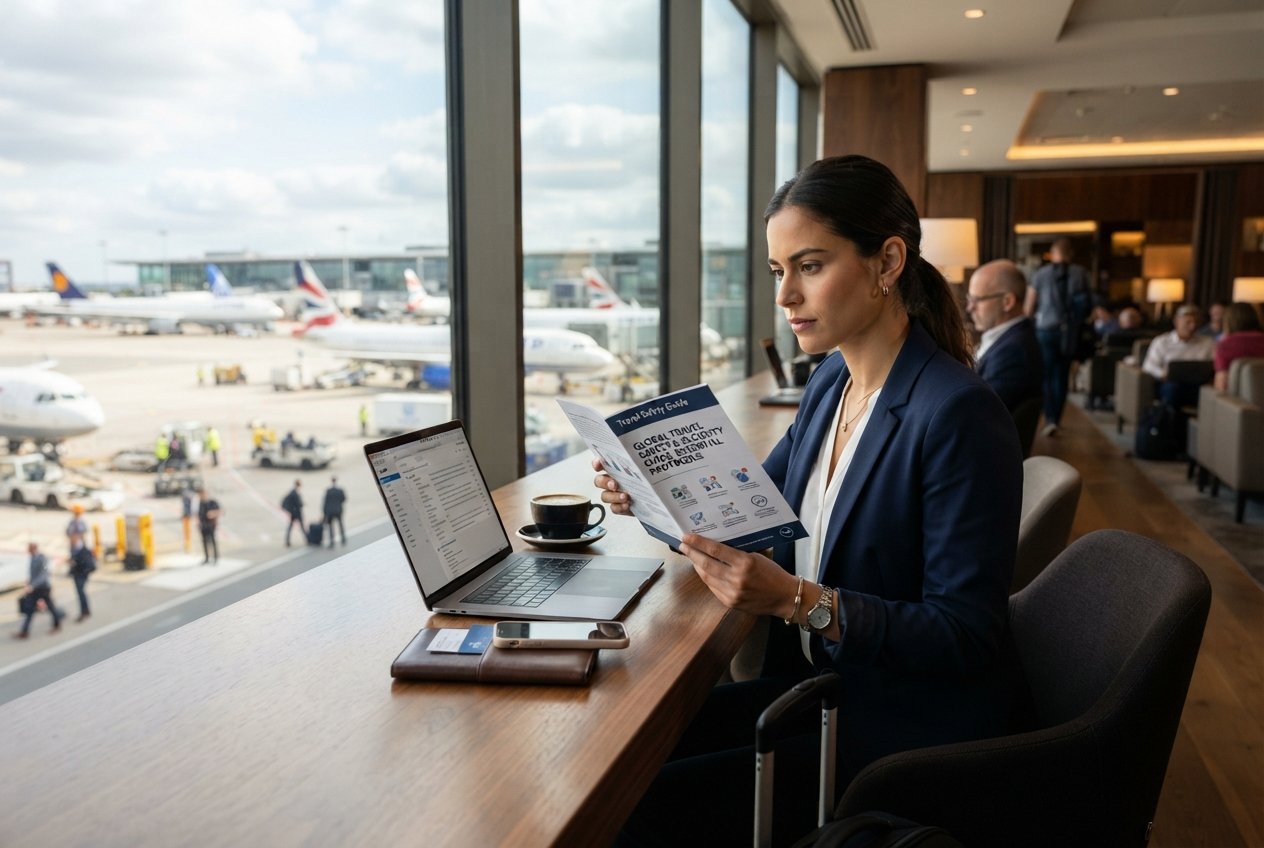
Taking a few simple precautions keeps your days abroad calm and enjoyable. Good safety habits let you focus on sights and local food instead of worry. Follow a few clear rules and you’ll feel more confident when you arrive.
Solo Travel Precautions
Before you leave, make sure a trusted friend or family member has your planned itinerary. Share flight times, hotel details, and at least one daily check-in time.
A lot of safety is common sense. Don’t flash valuables and stay aware of your surroundings. If a street or situation feels off, step back and find a public place.
Research safety levels and any advisories for the country you’re visiting. Pick well-reviewed lodging and use reputable transport services when you arrive. That one extra check can save hours of trouble later.
“Trust your instincts — leaving an uneasy spot is often the smartest move.”
- Notify someone of your plans before leaving.
- Keep valuables discrete and share location only with trusted contacts.
- Use reviews and local advice when choosing rides and stays.
Understanding Flight Etiquette and Health Tips
Good etiquette and basic health habits keep your journey calm and safer.
You need know that simple manners at the gate make boarding smoother for everyone. Avoid crowding before groups are called and keep your space clear while others load luggage.
Pack everything need for comfort in your carry on: snacks, chargers, and entertainment. That saves time hunting in overhead bins and keeps you ready if bags are delayed.
Onboard, sometimes ’ll notice high-touch surfaces. Wiping your tray and armrests after you sit can cut germs and help you feel better during long flights.
- Stretch and walk the cabin often—especially ’re on long hauls—to keep blood flowing.
- Bring a refillable bottle and hydrate; this helps jet lag recovery.
- Tell your contact your flight and airport arrival times in advance for peace of mind.
“Upon arrival, you ’ll get over jet lag faster if you spend time in sunlight and stay hydrated throughout your first day.”
Embracing the Spontaneity of Travel
When you let curiosity lead for an afternoon, small discoveries often become the highlight of your whole trip.
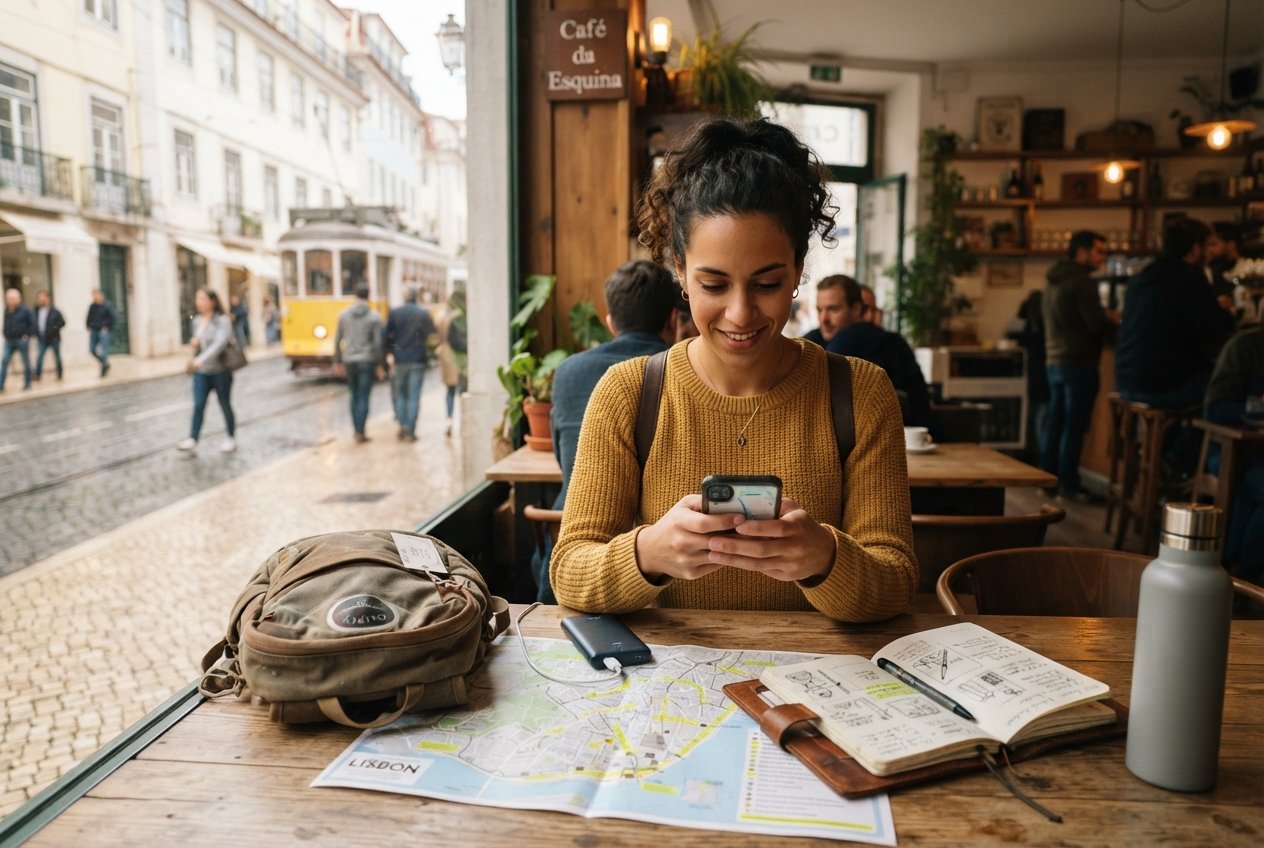
Keep a simple plan for the country you visit, then leave room for surprises. A basic map of must-see spots helps you avoid wasting time, while free hours let you wander without stress.
Some of the best moments happen when you stray from your list. A random market stall, a quiet park bench, or a local bakery might turn into your favorite memory of the day.
- Set one main goal each day and leave the rest open.
- Talk with locals — they often point out hidden gems.
- Accept small changes; flexibility makes the whole travel experience calmer.
“Give yourself permission to wander; the unexpected often becomes the story you tell for years.”
Being open lets you connect more deeply with people and place. Even if things don’t follow your timing, that looseness usually makes the trip more relaxed and more memorable.
Conclusion
In short, a clear checklist and a few early decisions will save you hours once you leave home.
Planning your first international trip becomes simpler when you secure your passport months early and keep daily goals light. Follow these tips and you’ll spend less time on logistics and more time soaking in new places.
Your first international experience will teach you what works. Trip planning is a skill; each country you visit builds confidence and sharpens instincts. Use this guide as your map, not a rulebook, and accept small detours—they often become the best stories.
Enjoy every moment. With a bit of prep and common-sense choices, your first trip will be safe, memorable, and full of discovery.
FAQ
What should I check about my passport before leaving?
Check your passport expiration date and blank pages. Many countries require at least six months’ validity beyond your return date. Also scan or photograph the ID page and save copies in email or cloud in case it’s lost.
When’s the best time to book flights and hotels?
Aim to book flights 2–4 months ahead for international routes and reserve popular hotels early, especially if you travel during peak season. Use flexible dates and fare alerts from Google Flights or Skyscanner to spot deals.
Which credit cards work best abroad?
Pick cards with no foreign transaction fees and chip-and-PIN or chip-and-signature tech. Cards from Visa, Mastercard, and American Express are widely accepted, but check acceptance in your destination and notify your issuer about travel dates.
How can I avoid foreign transaction fees and bad exchange rates?
Use a no-foreign-transaction-fee credit card for purchases. Withdraw larger sums from ATMs using a debit card that reimburses ATM fees or partners with global banks. Avoid airport exchange kiosks and dynamic currency conversion offers.
Do I need a visa or vaccinations for my destination?
Check embassy websites and CDC guidance well in advance for visa rules and vaccine or malaria advice. Some visas can be arranged online; others require appointments. Start health preparations at least a few weeks before departure.
How much cash should I bring on arrival?
Bring a small amount of local cash for taxis, tips, and immediate needs—about enough for two days. Then use ATMs or cards that offer fair rates. Keep cash and cards in separate places for safety.
What documents should I keep handy while traveling?
Carry your passport, printed and digital copies of flight and hotel reservations, travel insurance details, emergency contacts, and any required visas or health certificates. A travel wallet helps keep things organized.
How do I create a flexible itinerary that still covers highlights?
Pick 2–3 must-see experiences per destination and leave open blocks for wandering or rest. Build travel time into your schedule and prioritize nearby sites to avoid rushed days.
What should go in my carry-on for long flights?
Pack essentials: passport, wallet, phone and charger, medication, travel-size toiletries, noise-canceling earbuds, an extra layer, snacks, and sleep aids like an eye mask and neck pillow.
How can I manage jet lag effectively?
Adjust sleep a few days before departure, stay hydrated, get daylight exposure at your destination, and avoid heavy meals or alcohol on the first day. Short naps help, but aim to sync with local time quickly.
What safety steps should solo travelers take?
Share your itinerary and accommodations with someone at home. Register with the nearest embassy if available, keep emergency numbers saved, use well-reviewed transport options, and trust your instincts in unfamiliar situations.
How do I handle language barriers and local customs?
Learn basic phrases, download an offline translation app, and read a quick guide to local customs and tipping. A friendly approach and simple greetings go a long way when you meet locals.
What travel insurance should I choose?
Pick a policy covering medical evacuation, trip interruption, and baggage loss. Compare plans from Allianz, World Nomads, or your credit card provider and buy coverage soon after booking nonrefundable expenses.
Can I use my phone abroad without huge roaming charges?
Turn on an international plan with your carrier, buy a local SIM on arrival, or use an eSIM from providers like Airalo. Rely on Wi‑Fi for calls and use messaging apps to avoid roaming fees.
How much time should I allow for customs and airport transfers?
For international departures, arrive at the airport 2–3 hours early. For arrivals, factor in at least 60–90 minutes for passport control, baggage claim, and customs, longer during busy periods.
What’s the best way to keep cards and cash safe?
Use RFID-blocking sleeves, carry cards in a money belt or hidden pouch, and split funds across different spots. Freeze or cancel cards immediately if lost and know your issuer’s emergency hotline.
How flexible should I be with plans once I’m abroad?
Stay adaptable—weather, closures, and local events can change things. Keep reservations that matter and allow room for spontaneous activities that often become trip highlights.