Have you ever wondered what one small oversight can do to ruin a great vacation?
Even seasoned explorers get blindsided by simple errors that steal your calm and waste precious time. Missing a flight, losing luggage, or forgetting papers at home can turn a smooth plan into a scramble at the airport.
Good news: most problems are fixable before you leave. With a little planning and the right tools, you can protect your schedule and your peace of mind.
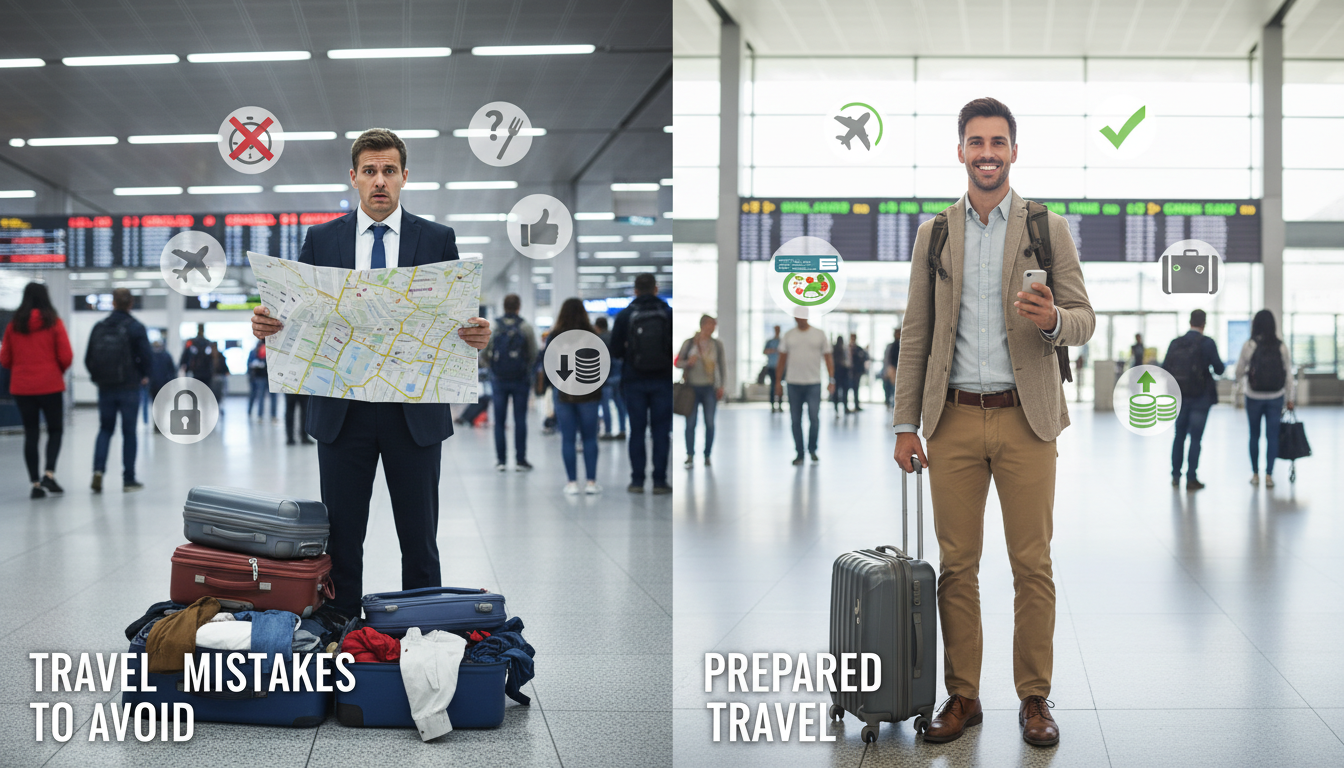
This short guide will point out common travel mistakes to avoid on your first international trip and show clear steps you can take now. Whether you fly alone or bring family, learning how to move through terminals and handle essentials will help you enjoy every moment away.
Key Takeaways
- Small oversights can cause big delays at the airport.
- Most errors are preventable with simple prep.
- Organize documents and luggage before you leave.
- Plan for time buffers and unexpected changes.
- Use tools and checklists to stay calm and confident.
Preparing for Your First International Trip
Before you zip your suitcase, a few simple checks can keep small issues from becoming big headaches.
Excitement is high, but steady planning is also needed. Start with the basics: confirm documents, check entry rules, and scan copies of your passport and tickets.
Packing smart makes moving through airports easier. Use a checklist that separates essentials, electronics, and day items. Keep important papers and meds in your carry-on.
Research local customs, weather, and transit options at your destination. That small effort helps you feel calm and ready when you arrive.
- Confirm passport validity and visa needs.
- Pack a compact first-aid and charger kit.
- Save digital copies of key documents in secure cloud storage.
| Checklist | Why it matters | Quick tip |
|---|---|---|
| Passport & visa | Entry denied without them | Photocopy and store one copy online |
| Carry-on essentials | Immediate access during delays | Include meds, a charger, and a change of clothes |
| Local research | Better decisions and fewer surprises | Check transport apps and basic phrases |
| Itinerary flexibility | Helps when plans shift | Book refundable options when possible |
Common Travel Mistakes to Avoid on Your First International Trip
Small oversights at the planning stage often create the biggest headaches once you arrive. Spotting common pitfalls now saves time, money, and stress later.
Identifying Common Pitfalls
Not carrying enough cash or missing entry paperwork tops the list. Overpacking adds weight and slows you at checkpoints. Skipping insurance can leave you exposed if illness or cancellations happen.
Neglecting local rules and transit also trips people up. Overloaded itineraries and ignoring time zone planning make days feel rushed and confusing.
The Importance of Planning
With a little forward planning you can sidestep many issues. Pack smart, carry copies of key documents, and book flexible options where possible.
- Check visa and cash needs well before departure.
- Buy basic insurance for health and cancellations.
- Learn local transit and key etiquette for smoother days.
We’ve seen it all in this business: a few simple checks now means you can focus on enjoying the trip.
Passport and Visa Documentation Essentials
A passport wrinkle at the gate can stop a whole itinerary in its tracks.
Check your passport at least six months before departures. Many countries require the six-month rule for entry, and airlines will deny boarding if your document falls short.
If you find an expired passport, you don’t have to panic. You can use HelloGov through CLEAR Perks for expedited service and faster processing. That option can keep plans on schedule when time is tight.
“Always verify every detail on your visa; one error can end a holiday before it starts.”
Quick checklist:
- Verify passport validity six months out and again before you leave.
- Confirm visa dates and personal details match your passport.
- Visit the Safe Travel website for lead times and application rules.
Mastering Airport Security and Arrival Times
Getting through the terminal quickly is less about luck and more about timing and a few smart habits.
Plan your arrival: Aim for at least two hours before domestic departures and three hours for international flights. Extra time covers traffic, check-in lines, and security screening without stress.
If you show up under an hour before departure, even a small delay can cost your seat. That risk rises at a busy airport during peak hours.
Utilizing Fast Pass Services
Joining CLEAR+ can shave minutes off long queues. Those dedicated lanes speed you through security and give you more quality time in the terminal.
- Traffic, bag drops, and screenings add up—arrive three hours early when possible.
- Less than 60 minutes at arrival leaves little margin for small delays.
- CLEAR+ and similar services move you faster through security and reduce stress.
- Give yourself extra time so you can relax in an airport lounge before departure.
Good planning of your time at the airport is one of the simplest ways to avoid common travel problems and prevent travel mistakes.
Smart Packing Strategies for International Travel
Light, smart packing frees you from heavy bags and long waits at the carousel.
Start with a plan. Make a short packing list and pick mix-and-match outfits. That way you wear the same pieces in new combinations and pack less.
Think carry-on first. Begin with a single bag and only upgrade if you truly need more space. Overpacking often starts by choosing a case that is too big.
- Resist packing for every possible weather scenario; you’ll pay in overweight fees and stress.
- Most hotels and Airbnbs have washers—plan for laundering rather than hauling extra outfits.
- For longer stays, consider Ship&Play through CLEAR Perks to ship excess items ahead and skip bag checks.
- Lugging a huge suitcase can wreck your posture and leave your room in chaos—pack lighter for better days.
Final tip: organize items in cubes, keep essentials in your carry-on, and weigh your bag before you leave home. Small choices now make getting around much easier.
Managing Your Money and Banking Abroad
One blocked charge can turn a smooth day at your destination into a stressful scramble.
Tell your bank where you’ll be and set international alerts in the app. This simple step prevents fraud flags and keeps your cards working when you need them.
Carry a little local cash. Some markets and small shops won’t take cards or mobile pay. A pocket of local currency helps with taxis, tips, and street vendors.
Skip airport exchange counters when possible. Rates and fees there are usually higher, which costs you real money.
- Notify your bank or enable travel alerts before departure.
- Use ATMs at reputable banks for better exchange rates.
- Exchange a small amount at home, then shop rates locally if needed.
| Action | Why it helps | Tip |
|---|---|---|
| Notify bank | Prevents blocked cards | Use app alerts |
| Carry cash | Accepted everywhere | Keep small bills |
| Avoid airport exch. | Higher fees | Withdraw at bank ATM |
Follow these steps and you’ll keep more of your money in hand and less time correcting holds with your bank.
Navigating Time Zones and Jet Lag
Shifting from one time zone to another often feels like your internal clock missed the memo.
Before you leave, shift your sleep an hour or two toward the new local time if you can. Drink plenty of water, move around in flight, and skip heavy booze that disrupts sleep.
After landing, get outside for natural light. Sunlight helps reset your clock and speeds recovery from jet lag. Eat light meals and wait until local meal time before eating a big plate.
Use smartphone apps or set your calendar to the destination time so meetings and transfers match local hours. We’ve heard real stories of unlucky people missing flights because they didn’t check time zone differences carefully.
- Hydrate and move on long jet flights.
- Adjust sleep beforehand when possible.
- Check websites like Every Time Zone for accurate offset planning.
“A quick check of clocks at each stop saves more hassle than you expect.”
Staying Connected with Mobile Plans
Confirming how your phone will work overseas is one of the simplest prep steps you can take.
Check your carrier before you leave. Call Verizon, AT&T, or T‑Mobile and ask about roaming rates and plan add‑ons. That saves surprises and keeps you reachable.
If your plan won’t cover the destination, order a local SIM or an eSIM ahead of time. This ensures you have data for maps, calls, and bookings as soon as you land.
Using mobile apps helps with navigation and bookings, but only if data works. Test roaming settings and toggle data roaming off until you confirm plan options.
Quick checklist:
- Verify roaming fees with your carrier.
- Buy a local SIM or eSIM if needed.
- Set data roaming and backup Wi‑Fi rules before departure.
| Option | Cost | Coverage |
|---|---|---|
| Home carrier roaming add‑on | Medium — varies by provider | Good for short stays and calls |
| Local prepaid SIM | Low — pay as you go | Best local data and rates |
| eSIM | Low–Medium — instant activation | Flexible and easy for multiple stops |
Researching Local Customs and Etiquette
A few minutes of reading about local customs can change how people respond to you and how much you enjoy the stay. Learn basic greetings, common courtesies, and simple dress norms for your destination before you go.
Respect goes a long way. Locals notice small efforts, like using a polite greeting or dressing modestly at religious sites. This kind of awareness opens doors and often earns friendlier service.
Learning Basic Local Phrases
Try a few phrases: Hello, thank you, and excuse me. Practicing these lines shows cultural sensitivity and makes interactions smoother.
- Read a short guide on etiquette for quick wins at restaurants, markets, and transport hubs.
- Check what is legal where you are—some countries have surprising laws, like Singapore’s chewing gum ban with heavy fines.
- Without cultural context, you may miss experiences or unintentionally offend people.
- Move through new places as an informed visitor; follow locals’ social cues and ask politely when unsure.
“A small effort in manners often leads to big local rewards.”
Choosing Transportation at Your Destination
Understanding how locals move around will save you time, money, and hassle. Take a moment to learn whether buses, trams, metros, or trains are the norm where you are staying.
Public transit is often both cheaper and faster than rideshares or rental cars, especially in dense city centers. It also gives you an authentic glimpse of daily life.
Before you go, check official transit sites or apps. Look for day passes, multi‑ride cards, or tourist passes that cut fares and speed boarding.
- Research how locals commute—subway maps and tram lines are key.
- Plan for luggage rules and peak hours when trains fill up.
- Buy travel passes at stations or online to avoid long lines.
| Option | Typical Cost | Best Use |
|---|---|---|
| Metro / Subway | Low | Fast inner‑city travel |
| Bus / Tram | Very Low | Short hops and scenic routes |
| Regional Train | Moderate | Day trips and suburbs |
| Taxi / Rideshare | High | Late night or heavy bags |
Choosing public options where possible will stretch your budget and deepen the way you see the destination.
Planning Your Itinerary Without Overloading
Plan key stops, then protect pockets of unscheduled time for rest and wandering.
Give yourself realistic buffers: aim for at least 90 minutes between domestic connections and two hours for international transfers. These margins cut stress and handle delays without a scramble.
One person cannot do everything in a day. Prioritize the sights that matter most and leave space for breaks, meals, or a slow stroll. That pace helps you beat jet lag and enjoy each place.
Visiting nine countries in eight days may read well on a map, but the result is often a blur. Instead, choose fewer stops and let each day breathe so you can soak in your destination’s unique ambience.
If you’re building an itinerary, start with a loose rhythm: morning highlights, midday downtime, and an open evening. That simple structure keeps plans flexible and allows spontaneous discoveries.
| Action | Why it helps | Recommended buffer |
|---|---|---|
| Domestic connection | Handles delays and bag transfer | 90 minutes |
| International transfer | Immigration and security time | 2 hours |
| Daily schedule | Reduces rush and jet lag | Half day unscheduled |
Dining Like a Local Instead of a Tourist
Eating where locals go will teach you more about a place than any guidebook.
Restaurants and cafés right by major sights often charge more and serve safer, bland menus. That premium is a common indicator of tourist-focused service.
Venture a few blocks away and you’ll likely find fresher food, friendlier prices, and a more authentic vibe at neighborhood spots. For many visitors, this small change improves both taste and value in the destination.
Do a bit of homework before you leave. Check TripAdvisor for local favorites and read recent reviews. When you book an Airbnb, look for a host’s recommendations list—those tips are pure gold.
- Compare menus beyond the main sights for better prices.
- Follow local recommendations from hosts or neighborhood forums.
- Try a lunchtime special—locals often eat then and prices drop.
Avoid the easy mistake of sticking to the busiest streets. Making that choice is a common travel error that costs money and flavor. Eat where locals eat and you’ll get richer, more memorable meals.
Protecting Your Valuables and Personal Items
A single unattended phone or wallet can undo an otherwise great day abroad. Be aware that carrying jewelry, cameras, or other pricey gear can attract pickpockets in a busy destination.
Keep things simple: slim your wallet by removing loyalty cards, extra IDs, and work passes before you leave. A lighter wallet is easier to hide and harder to lose.
- Wear a jacket with zip pockets or use a bum bag for cash and passports.
- Keep expensive cameras on a short strap and under your coat in crowds.
- Never leave your items unattended—hotel rooms, taxis, and buses are common spots for loss.
“Prevention is the best protection.”
| Action | Why it helps | Quick tip |
|---|---|---|
| Declutter wallet | Less to lose | Carry one card and some cash |
| Use secure pockets | Harder for thieves | Choose zipped or inside pockets |
| Keep watch on items | Insurance may not cover unattended loss | Store valuables in hotel safe |
Remember: prevention beats claims. Protect small items now and you’ll spend more time enjoying the place you came to see.
Understanding Travel Insurance Policies
If something goes wrong far from home, the right policy keeps bills low and stress down. Never skip buying insurance—it protects you from medical costs, delayed or lost luggage, and cancellations that can hit your wallet hard.
Treat insurance as an investment in peace of mind. When you plan a long overseas trip, paying a small premium now can save thousands later. Read your policy before you go so you know what is covered and what is not.
Put emergency contacts and the insurer’s claim number in your phone. That way you can get help fast, file a claim, or find a local clinic without wasting time.
Be careful with naps after arrival. Sleeping too soon can make jet lag worse on the first day. Try to stay awake until a normal local bedtime so your body adjusts more quickly.
- Buy medical and cancellation coverage.
- Keep policy details handy in your phone.
- Avoid long naps on arrival to reduce jet lag.
Balancing Social Media and Being Present
It’s easy to fall into a loop of capturing every moment and missing the moment itself.
Posting feels rewarding, but constant updates can pull you out of the scene and into a screen. The feed will wait; the sounds, tastes, and small surprises might not.
Limit your posting time. Set short windows each day for uploads and messages. That way you enjoy the outing first and share highlights later.
- Keep photos for quick edits, then put your phone away and soak it in.
- Adjust privacy settings before posting and avoid live updates that reveal real‑time locations.
- Keep personal items secure and share minimal details about accommodations or exact plans.
“Less posting, more presence — you’ll remember moments, not just images.”
Conclusion
Take a few final steps and you’ll spend more time enjoying the destination than fixing problems. Check passport date and carry a spare photo in a secure spot. Pack a small essential bag and confirm hotel plans in advance.
Arrive at the airport early, keep a card and local cash handy, and set simple routines for security and packing. Balance your itinerary so each day has room for rest and discovery.
Respect local laws and customs in each country, and keep bank contacts accessible in case of issues. With calm planning, common travel mistakes become easy fixes and your journey becomes a richer experience.
FAQ
What should I check on my passport and visa before traveling?
Check that your passport has at least six months’ validity beyond your planned stay and two empty visa pages. Confirm any visa requirements for entry and transit — apply well before your departure date. Save digital and paper copies of both documents and leave a copy with someone you trust.
How far in advance should I arrive at the airport for an international flight?
Plan to arrive at the airport at least three hours before departure for international flights. Allow extra time for long security lines, baggage drop, and passport control. If you’re checking bags or traveling during peak seasons, add another 30–60 minutes.
What’s the best way to avoid ATM and currency exchange fees?
Use a debit card that reimburses foreign ATM fees or offers low international withdrawal fees. Avoid airport exchange desks—rates there are usually poor. Bring a small amount of local cash for immediate needs and rely on cards or local bank ATMs once you arrive.
Should I tell my bank I’ll be abroad?
Yes. Notify your bank and credit-card issuers of your travel dates and destinations to prevent fraud alerts from blocking transactions. Add an international contact number to your account and carry a backup card in a separate place.
How can I pack smart and avoid overweight baggage fees?
Pack versatile clothing you can layer and use multiple ways. Weigh your bag at home to ensure it meets airline limits. Place heavy items in checked luggage and keep essentials, chargers, and travel documents in your carry-on. Use packing cubes and a basic laundry plan to reduce bulk.
How do I minimize jet lag when crossing time zones?
Gradually shift your sleep schedule a few days before departure if possible. Stay hydrated, avoid excessive alcohol on the plane, and get sunlight exposure at your destination to reset your internal clock. Short naps can help, but try to adapt to local time for sleep and meals.
Is it better to buy a local SIM or use my home carrier’s roaming plan?
For longer stays, a local SIM or eSIM often delivers better rates and data. For short trips, check your carrier’s international plans—some offer reasonable daily passes. Also consider portable Wi‑Fi devices if you need consistent connectivity for multiple devices.
What apps are must-haves for first-time international travelers?
Install a maps app (Google Maps or Maps.me), a translation app (Google Translate), a currency converter, your airline’s app, and a secure password manager. Add local transport apps and booking confirmations to a travel folder for quick access.
How should I learn local customs before I go?
Read brief country guides, watch short cultural videos, and learn a few polite phrases in the local language. Respect dress codes, greeting etiquette, and tipping norms. Locals appreciate the effort and it helps you avoid unintentional offense.
What’s the safest way to get around after landing?
Research trusted transport options ahead of time: official airport shuttles, licensed taxis, or rideshare services like Uber or Bolt where available. Pre-book transfers for late-night arrivals and use reputable local advice from your hotel or tourist office.
How do I plan an itinerary without burning out?
Balance must-see sights with downtime. Prioritize a few top attractions per day and leave room for spontaneous discoveries. Build in rest periods and avoid back-to-back long activities; quality beats quantity.
How can I eat like a local and stay safe with food?
Ask locals for recommendations, try street food from busy stalls, and opt for restaurants with high turnover. When in doubt, choose freshly cooked items and peelable fruits. If you have dietary restrictions, learn key phrases to explain them in the local language.
What should I do to keep valuables safe while exploring?
Use a theft-resistant bag, keep passports in a hotel safe, and carry only daily essentials. Use hidden money belts or neck wallets when you’re in crowded areas. Keep digital copies of important documents and track devices with apps like Find My iPhone or Google Find My Device.
Do I really need travel insurance and what should it cover?
Yes—get comprehensive travel insurance that covers medical emergencies, trip cancellation, and lost baggage. Check policy limits for evacuation and pre-existing conditions. Keep policy and emergency contact numbers accessible both digitally and on paper.
How do I balance social media with enjoying the moment?
Set specific times for posting and avoid streaming every activity. Capture a few high-quality photos, then put your device away and experience the place. Being present enhances memories and helps you connect with locals.