Have you ever wondered if a smarter layout of your gear could save hours and cut stress before departure?
Travel well by planning each piece in your suitcase with purpose. This intro gives a clear, casual primer on building a simple packing list that fits your needs and your style.
Think of this guide as a map for your items. It helps you streamline travel packing and makes sure each item earns its spot in your bag.
Whether you focus on business or leisure, the right checklist balances comfort and practicality. Use it to save time during the days before departure and to keep your plans calm and confident.
Key Takeaways
- Create a tight packing list so every item has a purpose.
- Organize gear by function to speed up your routine.
- Balance comfort with airport and city logistics.
- Sort belongings into carry and checked sections for easy access.
- Follow this checklist to spend less time preparing and more time enjoying travel.
Mastering Your What to Pack for a 7 Day International Trip Checklist
Match your luggage to your itinerary so each item earns its keep. Start by noting the climate, activities, and how many days you’ll be out and about. That simple step guides smarter choices and saves weight.
Evaluate each item and ask if it pulls real duty on your trip. Prioritize versatile pieces that work across mornings, afternoons, and nights. This keeps your list lean and useful.
Organize things into groups: daily clothes, tech, documents, and emergency gear. A clear list helps you find essentials fast and cuts wasted time at the hotel or airport.
“Refining your packing list gives you the freedom to move through your destination with ease.”
Consistency matters. Use the same travel packing routine for multiple trips and you’ll shave prep minutes each time. When you master this rhythm, the journey becomes simpler and more fun.
Choosing the Right Luggage for Your Journey
Your luggage choice sets the tone for how easily you move between destinations. Pick gear that matches your route, activities, and the amount of time you’ll spend in each city or outdoors.
If you like smooth airport transit, a small LOJEL rolling carry-on is a solid pick. It protects your items and fits regional flight limits.
Rolling Luggage Options
Choose a hard-shell case for impact resistance, or a soft-shell for extra pockets. Check weight and dimensions so your case meets airline rules and saves time at check-in.
Backpacks and Duffels
Backpacks and duffels work best when you need hands-free movement or plan hiking days. Pick sturdy straps and weather-resistant material for rough destinations.
Tip: Match your packing list with the bag you pick. That way your items sit where you need them, and you avoid last-minute reshuffles.
| Type | Best Use | Key Feature |
|---|---|---|
| Rolling Carry-On | City travel, regional flights | Easy wheeling, airport-friendly dimensions |
| Hard-Shell Case | Protecting fragile items | Impact resistance, organized compartments |
| Backpack | Active days, hiking | Hands-free mobility, ergonomic straps |
| Duffel | Flexible packing, bulky gear | Expandable space, durable fabric |
Essential Travel Documents and Financial Items
Make your wallet the command center for all essential travel documents and financial items. Keep passports, credit cards, and insurance papers together so you can move through security fast.
Always carry a backup set of critical documents in your carry bag. Save digital copies of your passport and cards on your phone and in secure cloud storage. That way, you can act quickly during an emergency.
Tip: Keep one credit card separate from your wallet as a backup. Store insurance numbers and emergency contacts where you can find them without digging.
- Store passport and visas in an easy-access section of your wallet.
- List all cards and their phone numbers in a secure note on your cell phone.
- Never leave your passport or credit cards unattended.
“A neat, verified set of documents gives you peace of mind while you enjoy travel.”
| Item | Why it matters | Where to keep it |
|---|---|---|
| Passport | Primary ID for border control | Secure wallet front pocket |
| Credit & debit cards | Payments and emergency cash access | Organized card slots; one backup in carry bag |
| Travel insurance | Medical and trip coverage details | Printed copy + digital photo on phone |
| Emergency contacts | Fast help when you need it | Phone contact list and printed note |
Selecting Versatile Clothing for Any Climate
Choose clothing that bends to multiple climates so you can move light and stay ready. A smart packing list focuses on pieces that layer, dry fast, and mix well.
Layering Techniques
Start with breathable base layers. Thin tops help you manage your body temperature when weather shifts between cities and outdoor spots.
Tip: Pack one lightweight insulating layer and a compact rain shell. That trio covers most conditions across different destinations.
Footwear Selection
Bring two pairs of shoes: one comfortable pair for long days on foot and one versatile pair that handles evening plans or light hiking.
Break your shoes in before departure and include moisture-wicking socks for comfort. Proper shoes keep your energy up across busy travel days.
Swimwear and Accessories
Include a swim suit and a quick-dry towel if your plans include beaches or pools. Small accessories — a belt, hat, and scarf — expand outfit options without extra weight.
| Clothing Item | Best Use | Material | Packed Quantity |
|---|---|---|---|
| Lightweight pants | Daytime city wear, hiking | Nylon/nyco blend | 2 pairs |
| Moisture-wicking socks | Walking, hiking | Merino blend | 4 pairs |
| Insulating layer | Cool evenings | Light fleece | 1 |
| Rain shell | Wet weather | Waterproof, packable | 1 |
“Focusing on versatile clothing saves space and fits more activities without extra items.”
Packing Your Personal Day Bag
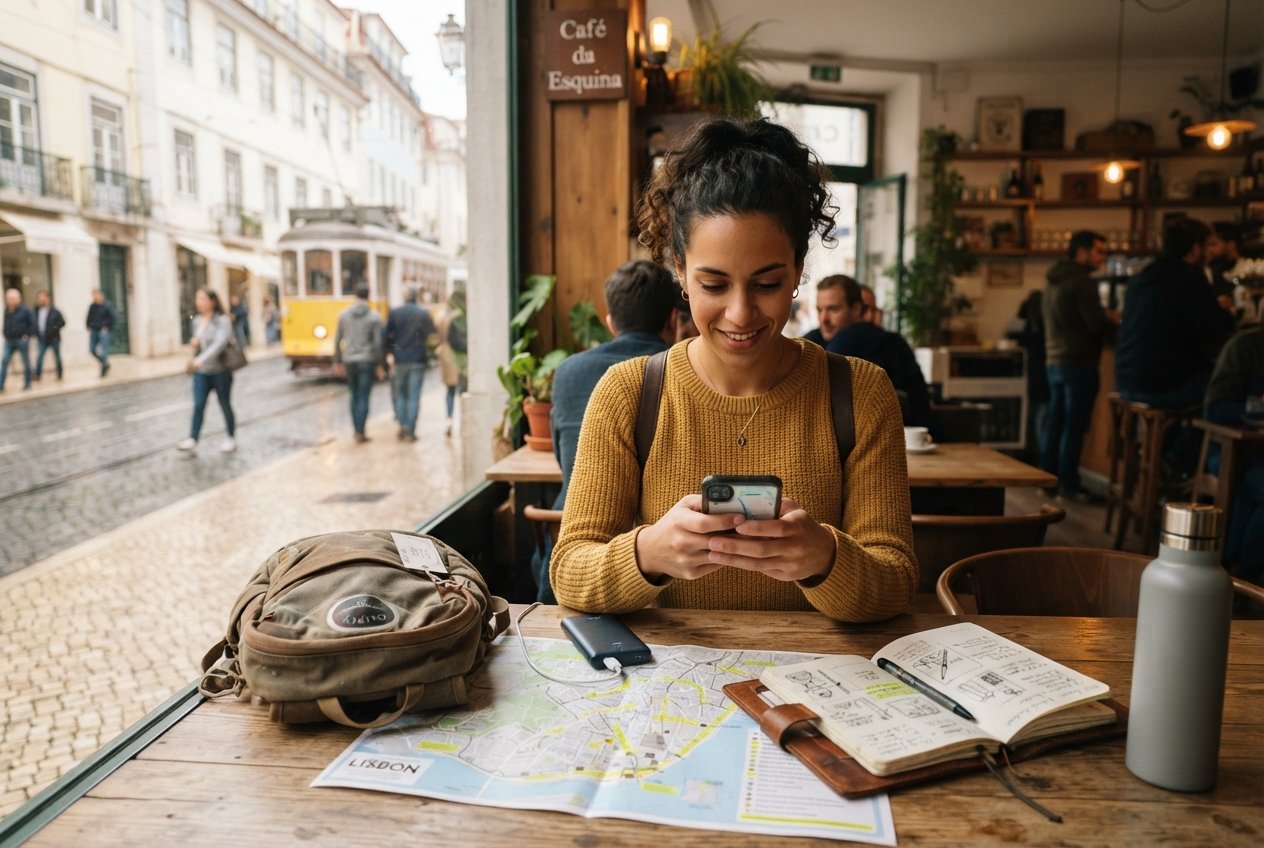
A small sling worn across the chest makes exploring easier and safer. Use a Pacsafe anti-theft sling or similar secure bag and keep it close at hand. This helps you carry your camera, phone, and a refillable water bottle without slowing down.
When you prepare your day bag, focus on light weight and easy access. Pack only the items you need for a full day of travel. Snacks, a compact first-aid item, and a power bank save time and hassle.
- Organize pockets so your phone and camera come out fast for photos.
- Choose padded straps and breathable fabric for comfort during long walks.
- Secure closures and RFID protection add safety in crowded areas.
“A well-packed day bag keeps essentials at hand and your hands free.”
| Item | Why it matters | Where it goes |
|---|---|---|
| Phone | Maps, tickets, quick photos | Front zipper pocket |
| Camera | Better photos than phone | Padded main compartment |
| Water bottle | Stay hydrated on walks | Side pocket or internal sleeve |
| Snacks & tissues | Energy and small cleanups | Small inner pouch |
Before you head out, double-check this packing list. A light, organized bag makes your trip simpler and more enjoyable.
Organizing Toiletries and Health Supplies
Smart storage keeps your personal care items clean, accessible, and spill-free. A neat setup reduces stress at airports and while you move between locations.
Leakproof Storage Solutions
Choose clear, sealed containers and a sturdy case so liquids stay put and clothing stays dry. I use a 4 oz glass spray bottle for witch hazel. It helps prevent leaks and lasts through security checks.
Put daily toiletries in one dedicated kit and keep it near the top of your bag. That way you can grab toothpaste, sunscreen, and meds without emptying your luggage.
- Use silicone travel bottles and sealed caps for shampoo and conditioner.
- Pack basic health things: bandages, pain relievers, and any prescriptions.
- Keep a small towel and a refillable water spray for quick refreshes.
“A compact, leakproof toiletry kit protects your clothes and saves time.”
| Item | Why | Where |
|---|---|---|
| 4 oz glass spray | Prevents leaks | Toiletry case |
| Silicone bottles | Airport-friendly liquids | Clear pouch |
| First-aid items | Minor care on the road | Top pocket of carry bag |
Must Have Electronics and Charging Gear
Keep your electronics in a single, padded organizer so you can grab chargers and accessories fast.
Pack the Lenovo Yoga in a padded sleeve and tuck cameras in separate compartments. Protecting fragile devices prevents damage while you move through airports and trains.
Always carry a reliable Skross adapter and the right charging gear for your destination. Verify outlet compatibility before departure so your cell phone and laptop charge without fuss.
Include extra camera batteries, spare memory cards, and all required cables. A compact power bank keeps your phone alive during long transit or sightseeing days.
- Store laptop, camera, and speaker in dedicated pockets.
- Label cords and keep plugs tidy with elastic ties.
- Bring the Revolve II Bose for better sound at your rental.
“Organizing electronics saves time and keeps your gear ready when moments matter.”
Finish your packing list with a quick tech check: cables, adapters, backups, and protective cases. This small effort prevents lost time and dead devices on the journey.
Smart Packing Strategies for Efficiency
A few reliable techniques let you carry less while keeping everything handy.
Start with a clear plan. Decide which items you’ll use most, then assign each category a spot in your bag. That small habit saves time at hotels and airports.
Using Packing Cubes
Packing cubes maximize space and keep clothing sorted by type or outfit. Use one cube for tops, another for underwear, and a third for toiletries or tech cables.
Benefits:
- Faster mornings — you find what you need without emptying the case.
- Better space use — cubes compress layers and create neat stacks.
- Less stress moving between destinations.
The Rolling Method
Roll shirts and pants tightly to reduce wrinkles and free up room. Combine rolling with cubes: roll clothes, then place them into the cubes for max compression.
“Rolling plus cubes is the easiest way to add usable space inside any luggage.”
Keep an eye on weight limits. These strategies help you travel light, stay organized, and enjoy more freedom on the road.
Managing Laundry and Cleaning Needs
A simple routine for washing and storing clothes saves space and stress on the road.
Include a compact laundry kit on your packing list. Pack a small travel detergent packet, a sink stopper, and a retractable clothesline. These items let you rinse socks, underwear, and light tops after long days.
Carry a separate bag for dirty clothes so clean pieces stay fresh in your luggage. Use lightweight mesh sacks that let damp items breathe and avoid mildew.
- Know where local laundromats or hotel services are available early in your plans.
- Bring a small stain stick for quick spot cleaning of shirts and shoes.
- Keep a travel-sized toiletries bar and hand sanitizer for fast body refreshes.
Tip: Dry heavy items near sunlight or use a hotel dryer for bulky shoes. Staying on top of laundry keeps your outfits ready for each day and makes the whole travel experience cleaner and calmer.
“A little prep for laundry saves time and keeps your wardrobe working hard.”
Safety and Security Measures While Abroad
A calm trip starts with simple security habits you can keep all week long. Make safety part of your routine before you leave and while you explore.
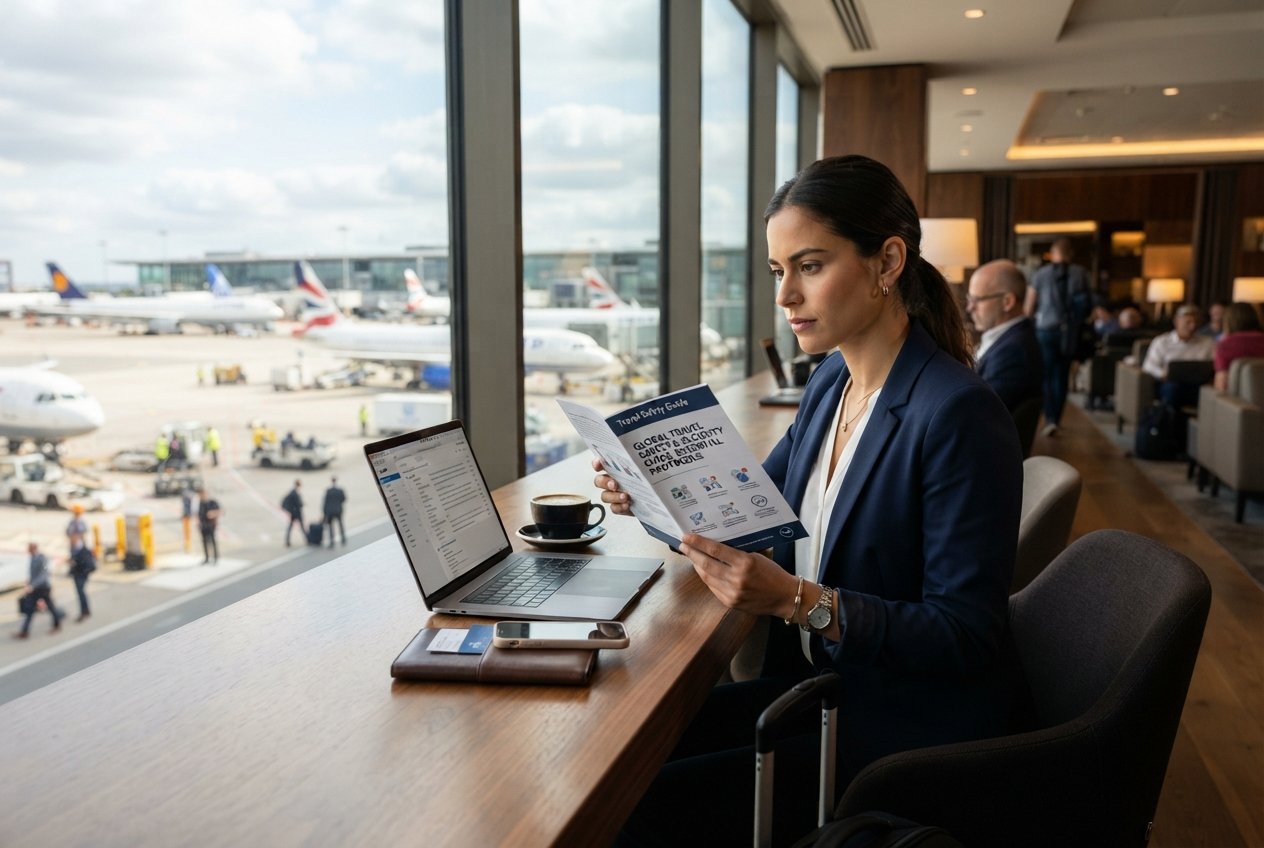
Prioritize insurance. Buy comprehensive travel insurance and store policy details where you can reach them fast. Keep a printed copy and a secure digital photo so you have coverage info in an emergency.
Protecting Valuables
Add a few smart items to your packing list that boost security. A hidden money belt, an RFID wallet, and a sturdy lock for your luggage case make theft much harder.
Organize important documents and emergency contacts in one spot. Keep them at hand in your carry bag and in a locked digital folder on your phone. That saves time if you need help.
When you arrive at the destination, stay alert in crowded places. Carry your bag close, zip pockets shut, and avoid showing expensive gear. Small moves like these protect your belongings and your peace of mind.
“Good planning and simple tools let you enjoy travel without needless worry.”
- Put insurance numbers and emergency contacts in your phone and wallet.
- Use locks and RFID protection for high-value items and tech gear.
- Check local safety tips for your destination before you go out.
Preparing Your Home Before Departure
Before you lock the door, spend ten minutes prepping your house so you return to calm, not chaos.
Make a short list of things to finish at home. Secure doors and windows, set timed lights, and unplug unused electronics. Leave plants with extra water or ask a neighbor for help.
Check your insurance papers and keep policy details where they are easy to find. Share your itinerary and emergency contact info with someone you trust. That step protects you and your property while you are away.
Store valuables in a safe place and put outgoing mail on hold. Run any last maintenance tasks: empty fridge perishables, cancel deliveries, and set thermostats for energy savings.
- Final check: lights, locks, and pet care
- Keep copies: itinerary and insurance details with a friend
- Secure items: electronics and important documents
These simple travel packing tips help you relax during your journey, knowing home is handled.
For extra guidance, see our packing list tips before you leave.
Seasonal Considerations for Your Destination
Seasonal planning changes which clothing and gear earn a spot in your bag.
Research the local weather before you finalize your list. Check averages, recent forecasts, and any alerts for your destination.
For sunny city breaks, choose breathable clothing and light layers. Bring sandals or comfortable walking shoes and sun protection.
Cold-weather trips call for insulating layers, waterproof outerwear, and sturdy shoes built for trails or slick streets.
Think about activities. If you plan hiking or waterside days, add quick-dry items and a compact rain shell.
- Tailor your items to likely conditions rather than every possible scenario.
- Keep a small emergency kit and verify your insurance covers weather-related incidents and activity risks.
- Adjust your list for the number of days you’ll be away so you carry just what you need.
“Packing by season keeps you comfortable and ready, wherever your trips take you.”
Tips for Navigating Airport Security
Prepare a go-bag that opens fast and keeps essential items visible. Use a compact 311 bag for liquids and small toiletries so security checks are quick and clean.
Wear easy shoes that slip off and on. That saves everyone time and keeps lines moving.
Keep your camera, electronics, and other gear in an accessible pocket of your carry bag. Place important documents and insurance in your hand or an outer sleeve for fast retrieval.
- Organize luggage so clothing and bulky items are at the bottom and loose items sit on top.
- Lay out items you will remove from your bag before you reach the conveyor.
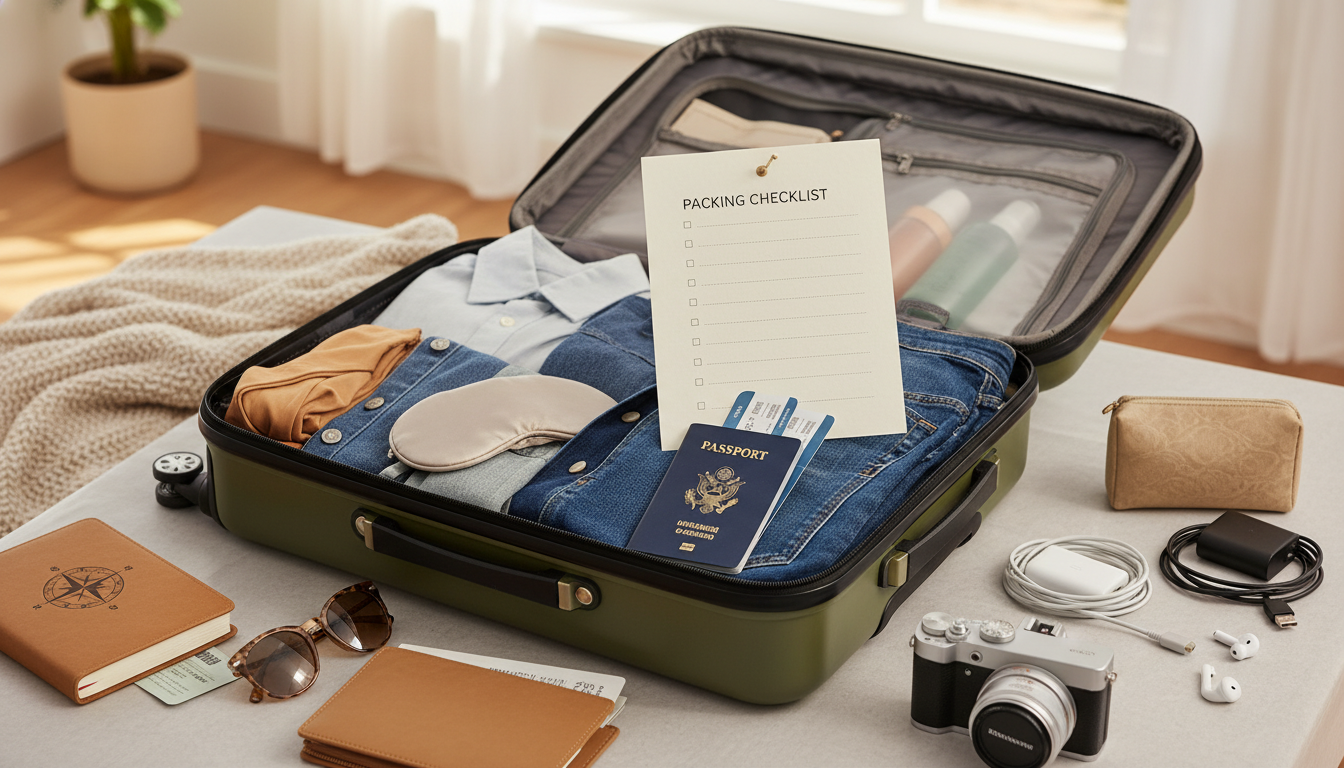
- Fold your packing list into your carry for quick compliance checks.
Whether you head into a busy city or a remote hiking destination, this approach makes security an efficient step in your day. A tidy bag and a ready kit help you move through the airport without delays.
“Small prep at security keeps your journey light and on time.”
Conclusion
Close out by confirming each entry on your list has purpose and a place.
Take a calm minute to scan documents, chargers, and core clothing. This final check saves you time and lowers stress before departure.
Keep essential items within reach in one well-organized bag. Small moves—clear labeling, a tidy electronics pouch, and secure document storage—pay off quickly.
Use these practical travel packing tips to stay flexible and safe while you explore. With planning and simple routines, you’ll handle surprises and enjoy more of the journey itself.
FAQ
How many clothing pieces should you bring for a week abroad?
Aim for 7 tops and 4–5 bottoms that mix and match. Pick neutral colors and lightweight fabrics so you can layer and rewear items. Bring one dressier outfit for evenings and a lightweight jacket for cooler nights.
Which luggage type works best for varied itineraries?
Choose a carry-on rolling suitcase if you’ll stick to cities and planes. Pick a travel backpack or duffel if you expect trains, buses, or hikes. Look for durable zippers, lockable compartments, and easy access pockets.
What documents should be in your travel pouch?
Keep your passport, boarding passes, visa pages, a photocopy of ID, travel insurance card, and at least two credit cards in a slim travel wallet. Store emergency contact info and any prescription notes as PDFs on your phone too.
How do you decide footwear for a seven-night itinerary?
Limit shoes to three pairs: comfortable walking sneakers, casual shoes for dining, and sandals or trail shoes if you’ll be outdoors. Pack lightweight socks and consider insoles for extra support.
What belongs in your daily carry bag?
Your day bag should hold your phone, wallet, water bottle, sunglasses, small sunscreen, a light rain layer, and a power bank. Add a compact first-aid kit and a reusable shopping bag for market stops.
How should toiletries be packed to avoid spills?
Use leakproof toiletry bottles and a clear, zippered pouch. Seal lids with tape or plastic wrap, and place liquids in a separate compartment. Pack solid shampoo bars and a travel toothbrush to reduce bulk.
Which electronics are essential and how many chargers do you need?
Bring your phone, a compact camera or GoPro if you want better shots, a universal charger, and one spare cable. A 20,000 mAh power bank covers multiple charges. Carry a plug adapter with surge protection for international outlets.
Are packing cubes worth it?
Yes. Cubes help you organize outfits, compress garments, and speed up security checks. Use one cube for tops, one for bottoms, and a small cube for underwear and socks.
Should you roll clothes or fold them?
Roll delicate and casual items to save space and reduce wrinkles. Fold dress shirts and bulkier pieces. Combine both methods for best use of suitcase volume.
How do you handle laundry midweek?
Pack a small laundry soap bar or travel detergent, a sink stopper, and a quick-dry towel. Many hotels offer laundry service; otherwise, hand-wash key items and hang them overnight to dry.
What steps help protect your valuables during transit?
Use a money belt or neck wallet for passport and cash. Keep expensive gear in your carry-on and use TSA-approved locks on checked bags. Register devices with serial numbers and enable remote tracking.
What should you do to secure your home before leaving?
Stop mail or ask a neighbor to collect it, set light timers, lock all doors and windows, and pause recurring deliveries. Unplug electronics and set your thermostat to an energy-saving temperature.
How does seasonality affect what you bring?
Research average temperatures and rainfall for your destination dates. Pack a compact umbrella and a breathable base layer for hot months, or insulated layers and waterproof boots for cold, wet climates.
Any tips to move smoothly through airport security?
Wear slip-on shoes, keep liquids under 100 ml in a clear bag, and have electronics and travel documents easily accessible. Arrive early and download your airline app for mobile boarding passes.
What emergency items should be on hand while abroad?
Carry a small first-aid kit, a copy of prescriptions, local emergency numbers, and travel insurance info. Keep a list of nearby embassy contacts and a portable door lock for extra safety in unfamiliar lodgings.