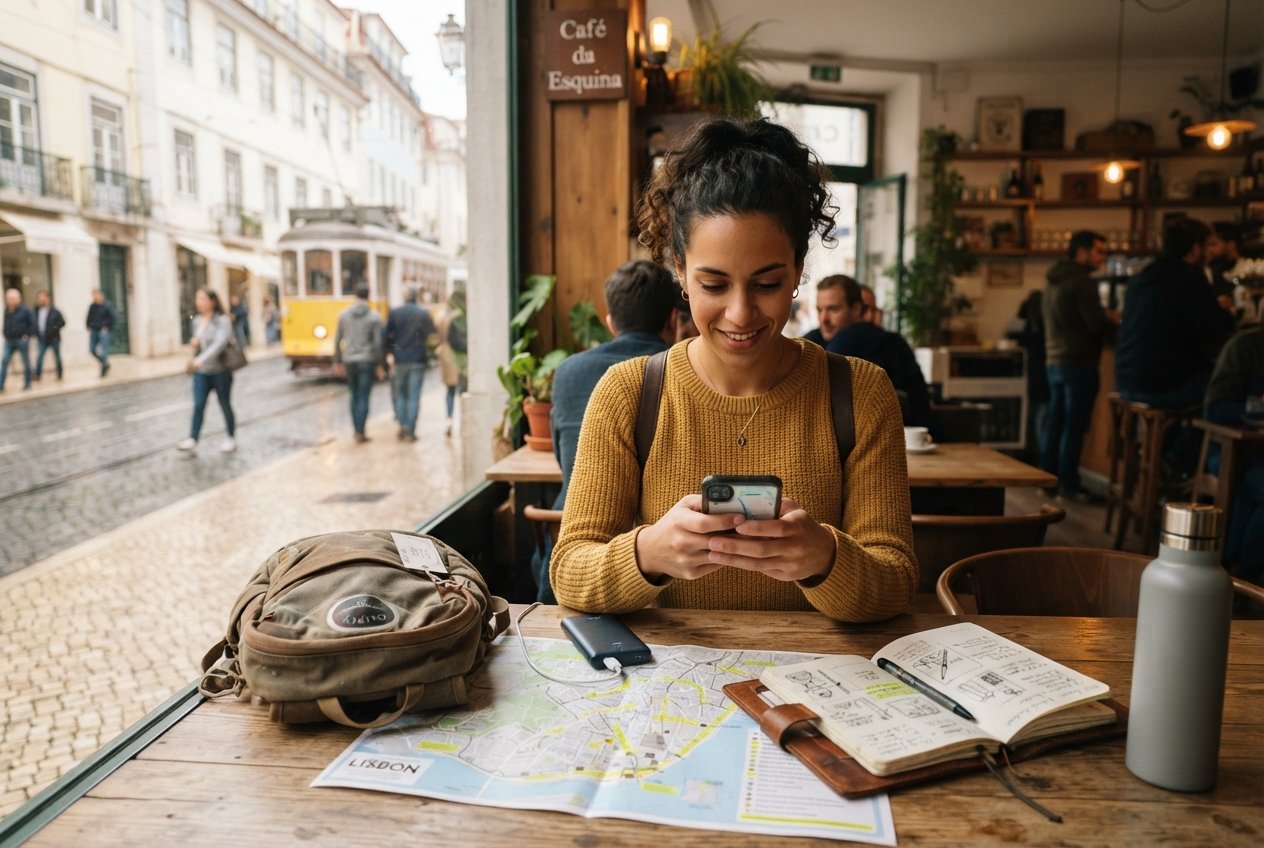
Ever wondered why some trips leave you relaxed while others leave you broke?
You can enjoy every day without dread if you plan spending early and clearly.
In 2018, NPR host Marielle Segarra found that a two-week visit to Greece can blow up fast when you overlook costs. Defining limits up front helps you focus on the things that matter, like family moments or tasting new food.
Every trip has its own number of days, so set daily spending expectations that match your goals. With simple tracking and smart choices, you avoid returning home with an empty account and plenty of regret.
Plan ahead, protect your money, and make room for the experiences that matter most. For extra tips on saving money during trips, check this smart money guide.
Key Takeaways
- Set clear spending limits before your trip begins.
- Adjust daily allowances based on the trip length and priorities.
- Track expenses to avoid unpleasant surprises at home.
- Focus funds on meaningful experiences like family time and local food.
- Plan ahead so essential costs are covered and stress stays low.
Defining the Purpose of Your Trip
Pinning down your trip’s purpose is the fastest way to stop wasting money on things you don’t care about. When you know whether you want rest, adventure, or family time, planning becomes simple.
Pick the experience first, then fund it. If meaningful meals and wine matter more than flights, choose an affordable region and spend there. Travel writers often suggest cheaper alternatives that match the vibe of pricier spots.
- Want vineyard views without the Napa price? Brittney Oliver recommends the Finger Lakes as a budget-friendly substitute.
- Love French culture but not Paris prices? Amelia Edelman suggests Quebec as a smart destination dupe.
- Get your family involved so everyone agrees on priorities and the overall budget.
By choosing a less costly destination, you stretch your money further. That might mean more days, nicer meals, or a special activity that really matters to you.
How to Create a Travel Budget and Stick to It While Traveling
Start with honest numbers for flights, hotel nights, and food so surprises don’t derail the trip.
Setting Realistic Financial Goals
Set a clear total and break it into daily amounts. Research typical prices for accommodation and meals at your place and set the number per day for activities and transport.
Track your spending for a week or two before departure to see your real habits. That helps you tweak the plan and avoid nasty surprises on vacation.
Building an Emergency Cushion
“Aim for a contingency fund equal to 10%–20% of your total plan,” says financial advisor Nishann LaNata.
Example: If your trips cost $6,000 a year, save about $500 each month. That cushion can cover one extra hotel night or new flight when plans change.
| Part | Primary Cost | Suggested % |
|---|---|---|
| Core | Flights & accommodation | 50–60% |
| Daily | Food & activities | 30–40% |
| Safety | Contingency fund | 10–20% |
Strategies for Saving Ahead of Your Departure
Tiny cuts in your monthly spending can unlock weeks of better trips later on. Start with a plan and clear targets so you know what you are saving for.
Cutting Daily Expenses
Save for at least six months by setting aside a percent of each paycheck. Automate transfers so contributions happen without thinking.
Cancel subscriptions you don’t use and trim dining out. Use your local library for books and movies instead of buying new ones.
- Track every purchase for two weeks to spot wasteful habits.
- Book flights well ahead to lock in lower fares.
- Automate savings so your travel fund grows steadily.
Every dollar saved now reduces stress later and stretches the value of your trip.
“Small, steady changes beat occasional giant sacrifices.”
Finding Affordable Accommodation Options
Finding the right place to sleep can shave major cost off your overall trip without cutting fun. A smart choice here gives you more money for local food, tours, and those small surprises that make a vacation memorable.
Consider a mix of options. Family hostels are often clean and safe — Chrissy Whalin, who has visited 40 countries with her son Zephyr, recommends them for single parents and families.
Considering Hostels and Rentals
Hostels now offer private rooms that can be cheaper than hotels for the same number of days. If you travel with others, split a private room and cut the per-person cost.
Do your research: sometimes a hotel room with a microwave and fridge is less expensive than an Airbnb for the same place.
Exploring House Sitting and Swaps
Platforms like Trusted House Sitters and Home Exchange remove the hotel cost entirely in many destinations.
“House sitting can turn high-cost cities into affordable stays.”
Staying with Friends and Family
Accepting an offered room or couch saves real money and lets you spend more on activities and food. Public transit often beats renting a car in big cities, so factor that into your accommodation choice.
- House swaps and sits cut lodging cost for longer trips.
- Hostels with private rooms may fit families better than pricier hotels.
- Staying with friends frees up funds for local experiences.
Managing Transportation and Flight Costs
Flights often eat the largest chunk of your trip fund, so smart choices here stretch every dollar. Use Google Flights and Hopper early to track prices and spot great deals.
Be flexible with dates. Shifting a day or two can shave hundreds off fares. Avoid flying on Sundays and Mondays when possible.
Research secondary airports near your destination. Flying into places like Gatwick instead of Heathrow can lower costs and still get you close to cities and hotels.
- For multi-city trips, compare train passes and long-distance buses against short flights.
- Include rental car or public transit costs when you plan; a cheap flight can be expensive once ground travel is added.
- Staying with friends can cut both accommodation and local transport costs.
“Compare prices across dates and options so transportation fits your overall budget.”
When you tally flights, transfers, and local fares early, your money goes farther and your vacation stays on track.
Smart Spending on Food and Activities
Small shifts in meals and sightseeing choices deliver big savings for any trip.
Buy local groceries and use a shared kitchen when you can. That one change cuts food cost and gives you flexibility for snacks and breakfasts.
Scout restaurant menus online before you eat. If a special meal is important, plan it into your budget. That way you enjoy the moment without guilt.
Free options like hiking, parks, and self-guided walking tours offer rich experiences at no cost. Limit expensive tours and focus on what feels authentic.
| Choice | Typical Cost | When to Use |
|---|---|---|
| Grocery + kitchen | Low | Long stays, group trips |
| One splurge meal | Medium–High | Special occasion |
| Free activities | Free | Daily exploration |
Set a daily spending cap for food and activities. Track purchases so souvenirs and small buys don’t push you over the total number for the trip.
Using Technology to Track Your Expenses
A few smart tools help you see every charge as it happens and stop overspending fast.
Realtime visibility changes how you spend on trips. Use apps that log purchases, split bills, and show totals by day. That makes decisions simple when plans shift.
Leveraging Budgeting Apps and Tools
Splitwise is highly recommended for groups; it tracks who paid, who owes, and settles balances without awkward math. Make sure you log every purchase, from a quick meal to a hotel room, so your plan stays accurate.
If you learn by writing, keep a money planner alongside your phone. Set alerts for flight deals and hotel price drops so you never miss savings. Watch your bank account daily and adjust daily spending when totals creep up.
Example: If you spot extra savings midweek, use that amount for a special dinner or unique activity instead of impulse buys. Using digital tools keeps your money organized and gives real peace of mind on the road.
For more practical tips, see this budget travel tips.
Conclusion
A clear plan for spending means you can enjoy each day without money worries.
Set a simple travel budget before you go and break it into daily amounts. Prioritize activities and food so the days you care about get the money they deserve.
Get your family involved in choices and tracking. That builds buy-in and teaches smart money habits everyone can use.
Use apps, check totals each day, and stay flexible. With steady tracking and the right tools, your trip turns into memories, not debt.
FAQ
What’s the first step when planning money for your trip?
Start by defining your trip purpose and priorities. Decide whether the focus is relaxation, adventure, sightseeing, or visiting family. That lets you allocate most of your funds where they matter — flights and accommodation for long stays, activities and food for experience-driven trips.
How do you set realistic financial goals for a vacation?
Break the total into categories: transportation, lodging, food, activities, local transit, and souvenirs. Estimate costs for each using recent prices from airlines, Booking.com or Airbnb, restaurant menus, and attraction websites. Add a small buffer for price swings.
What size emergency cushion should you build?
Aim for at least 10–20% of your trip budget or one week’s living costs. That covers unexpected medical bills, delayed flights, or sudden lodging changes. Keep the cushion in an easily accessible account or a separate travel card.
Which saving strategies work best before departure?
Automate transfers to a dedicated savings account and cut nonessential subscriptions. Use apps like Chime or Ally for round-ups and high-yield savings. Hunt for package deals from Expedia or Skyscanner and book midweek when prices drop.
What daily expense cuts help save fast?
Make coffee at home, cook simple meals, cancel unused streaming services, and set a weekly dining cap. Track small spends in an app like YNAB or Mint — tiny daily savings add up quickly toward flights or an extra night.
How do you find affordable places to stay without sacrificing safety?
Compare options across websites: Booking.com for hotels, Hostelworld for dorms, and Airbnb for private rentals. Read recent reviews, check free-cancellation policies, and prioritize neighborhoods with good transit links to avoid costly taxis.
Are hostels and vacation rentals worthwhile for families or longer trips?
Hostels can be economical if you choose private family rooms. Rentals often offer kitchens and laundry, which cut food and packing costs. For long stays, monthly discounts on Airbnb or Vrbo can make rentals the better value.
What about house sitting or home exchanges?
House sitting and home exchange platforms like TrustedHousesitters or HomeExchange can eliminate lodging costs entirely. You trade pet care or home swap for a free place. Vet each offer carefully and confirm references for peace of mind.
Is staying with friends or family a sensible option?
Staying with locals can save a lot, but set expectations up front about sleeping space, chores, and contributions. Offer to buy groceries, cook a few meals, or cover transportation as a thank-you.
How can you manage transportation and flight costs effectively?
Book flights early for the best prices, use fare alerts from Google Flights or Skyscanner, and travel midweek if possible. For ground travel, compare trains, buses, and rental cars. Consider local rideshares and daily transit passes for cost savings.
What are smart ways to spend on food and activities without overspending?
Mix one splurge meal with budget-friendly options like street food or grocery breakfasts. Prioritize must-do activities and look for city tourist passes, free walking tours, and discounted combo tickets. Limit souvenir purchases by setting a fixed amount.
Which apps and tools help track expenses on the road?
Use a budgeting app like Trail Wallet, Spendee, or Splitwise for group costs. Link a travel card with low foreign transaction fees, take photos of receipts, and log purchases daily to avoid surprises when you check balances.
How do you split costs when traveling with friends or family?
Agree on shared versus personal expenses before you go. Use Splitwise or Venmo for quick settlements, and rotate who pays for big items like rental cars or dinners to even out spending.
What tips help stay flexible without breaking the budget?
Build flexibility into your plan by keeping one expense category as adjustable, like activities. Book refundable rates when possible and keep an eye out for last-minute deals on flights and hotels if your dates can shift.
How much should you plan per day for food in major cities?
It varies by city. In affordable destinations, budget –40 per day; in pricier cities like New York or London, plan –100. Factor in one nicer meal and multiple inexpensive options like markets or casual cafes.
Where should you keep emergency cash and cards during a trip?
Split your money across a travel card, a backup credit card, and a small amount of local cash. Store them in separate places: a money belt, a locked luggage compartment, and a hotel safe, so a single loss won’t ruin your trip.
Can loyalty programs and credit card points reduce overall costs?
Yes. Enroll in airline and hotel loyalty programs, and use a travel rewards credit card for everyday spend. Points can cut flight and room costs, but avoid impulse spending just to chase rewards.
What’s the best way to handle unexpected costs mid-trip?
Triage: use your emergency cushion first, then reallocate flexible spending categories like activities or souvenirs. Contact your bank if a card is lost and keep digital copies of important documents for fast replacements.
Any final tips for tracking and reviewing spending after the trip?
Reconcile expenses within a week of returning. Review categories where you overspent and spot savings for next time. That makes future planning faster and smarter.