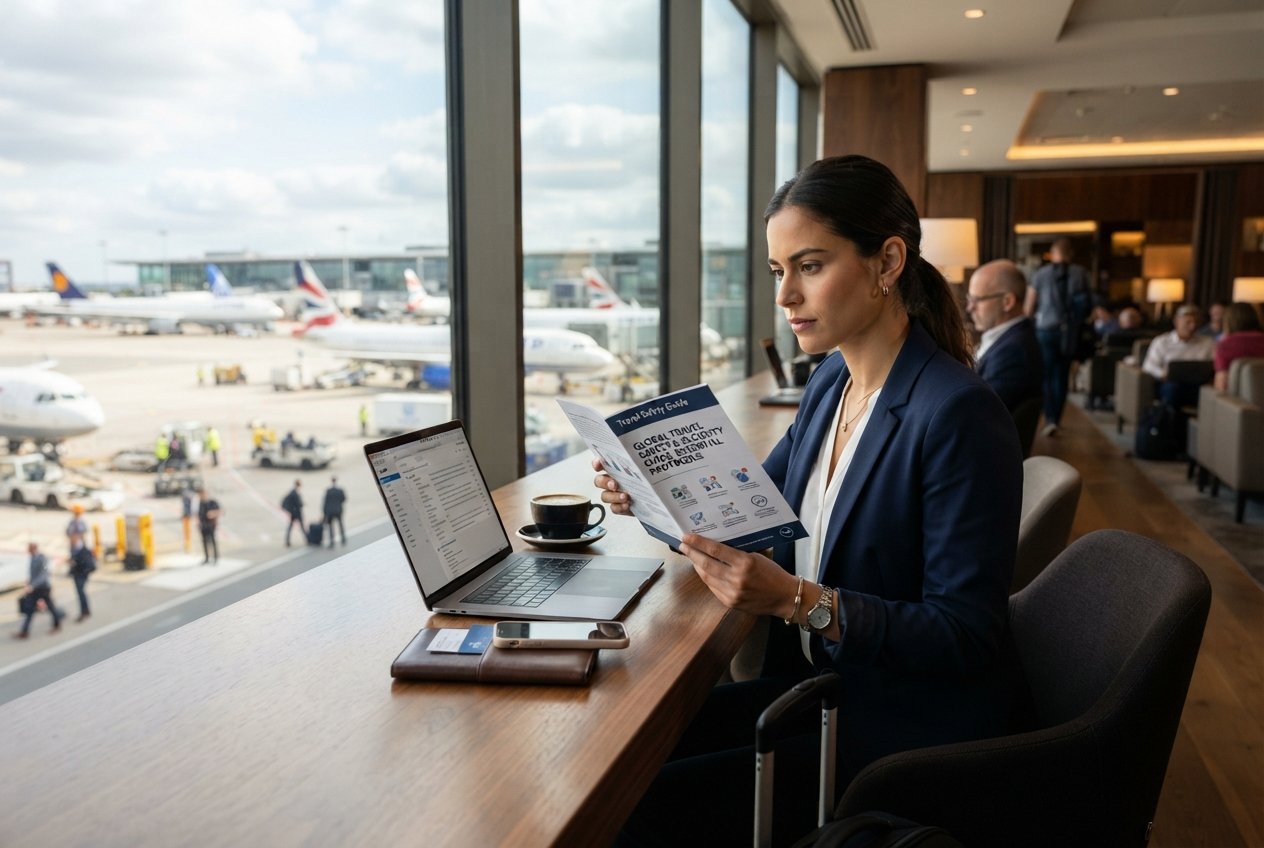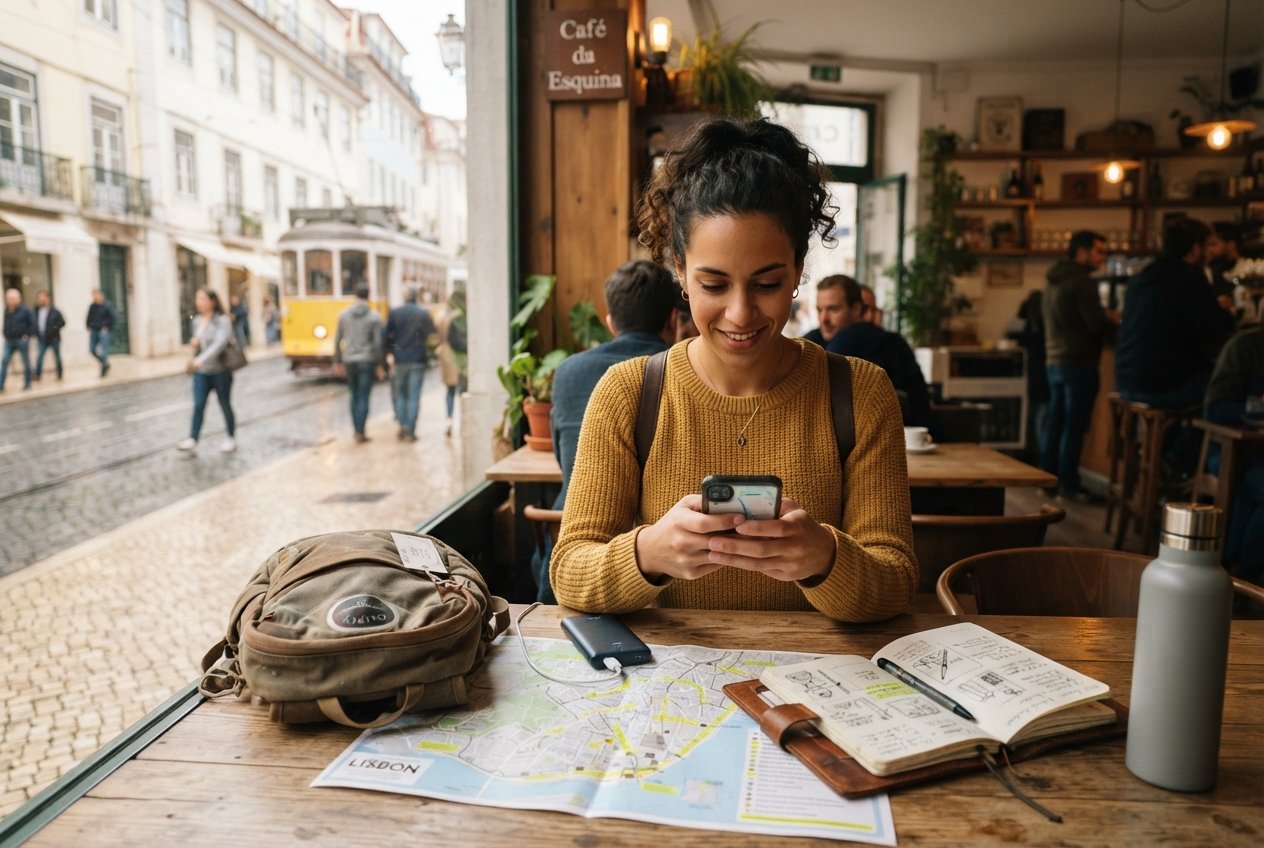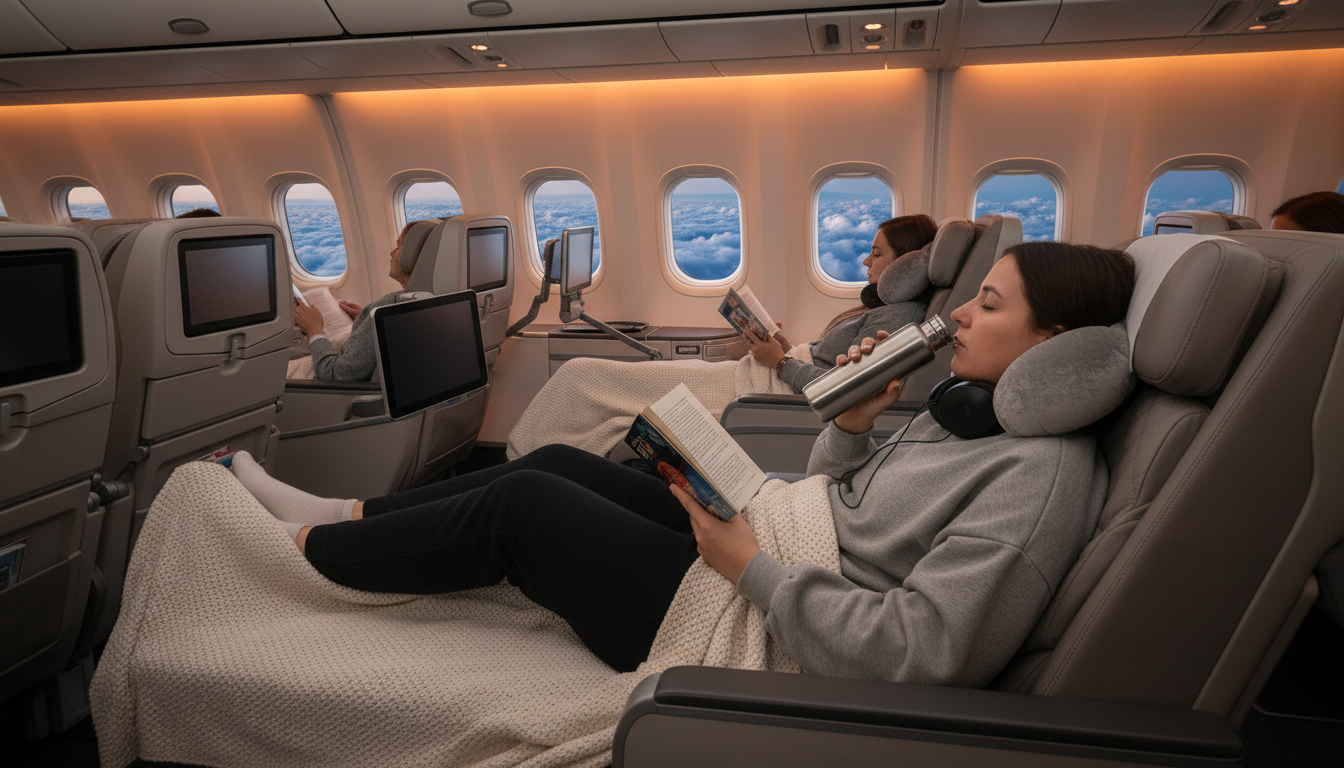
Can a 19-hour plane ride ever feel less like a marathon and more like a manageable step toward your destination?
You’ve likely wondered that while staring at the onboard map over the Atlantic or Pacific. I’ve flown nonstop from NYC to Singapore in economy, and I learned that planning your time on a flight makes a huge difference.
Simple moves before and during the trip help you avoid being wiped out when you arrive. Strategic sleep, movement, and packing smart cut the worst of jet lag and make hours in the cabin easier to handle.
The guidance here blends practical steps with real-world experience. Follow these expert-backed approaches and you’ll treat long-haul flights like a manageable part of your journey, not the hardest part of your trip.
Key Takeaways
- Plan sleep and activity windows to sync with your destination.
- Move often in the cabin to reduce stiffness and swelling.
- Pack comfort items and layers for changing cabin temps.
- Use light exposure and meals to fight jet lag fast.
- Break your time into small goals to make hours feel shorter.
Strategic Seat Selection
A clever seat choice gives you more freedom, less noise, and better access to necessities.
Pick a seat that suits your routine. An aisle seat lets you stretch your legs and reach the bathroom or snacks without stepping over people. Many travelers like a window for sleep, but an aisle offers movement and control.
Window vs. Aisle Preferences
Window seats block light and give a wall to lean on. Aisle seats grant easy access when you need water or a walk.
Avoiding Exit Row Pitfalls
Exit rows have more legroom but may feel cold from reduced insulation near the door. If you run cold in the air, skip that row.
- Check the seat map for engines and busy zones.
- In a 3-3-3 layout, pick the middle section aisle to avoid traffic through the cabin.
- Balance proximity to the galley or bathroom—nearby is convenient but can be noisy.
Final note: When you book, choose the seat that fits your sleep, movement, and snack habits. It shapes your entire flight experience and helps you arrive in better shape for your travel plans.
Best travel tips for long flights how to stay comfortable
Set up a simple cabin routine and you’ll protect your energy for arrival.
Start by aligning your sleep window with the destination time. Shift naps and wake periods before boarding so your body accepts the new schedule faster.
Create a short in-flight itinerary. Break the hours into blocks: rest, walk, hydrate, and entertainment. This makes the flight feel organized and helps you avoid staring at the clock.
If sleep won’t come, relax in your seat and breathe slowly. Avoid checking the flight time every few minutes; that habit makes minutes drag.
Stick to consistent habits on each journey. A repeated pre-sleep routine, a familiar neck pillow, and planned stretches give your body cues that it’s rest time, even at 30,000 feet.
| Routine Block | Action | Benefit |
|---|---|---|
| Rest | Short nap or sleep mask | Improves recovery and reduces jet lag |
| Movement | Walk aisles, ankle pumps | Reduces stiffness and swelling |
| Hydration | Regular water sips | Maintains focus and skin comfort |
Essential Gear for Your Carry-On
Your carry-on should act like a mini command center during the flight.
Pack items that protect sleep, movement, and warmth. Small choices make a big difference in how you feel when you land.
Choosing the Right Travel Pillow
You should make sure to pack a high-quality travel pillow like the Cabeau Evolution S3. It has a flat back and Velcro straps that secure to the headrest.
This design supports your head and neck while you sleep and helps you keep a steady posture in your seat.
Compression Socks for Circulation
Bringing a pair of compression socks improves circulation and reduces swelling in your legs. Wear them during the flight and for a few hours after you land.
They are a small product that prevents aches and keeps you moving more easily during long time in the air.
Packing a Bag Within a Bag
Pack a mini bag inside your carry-on, like Hannah Towey’s Baggu Nylon shoulder bag, so essentials stay within reach.
Keep headphones, a downloaded book, your phone, and a mask in that mini bag. You might also bring a cozy blanket and layers, plus comfortable pants that allow movement.
- Noise-canceling headphones and an eye mask block sound and light.
- Bring a portable power bank so devices stay charged for entertainment.
- Download a movie or book in case the plane system fails.
“A small set of quality items keeps you ready for shifting temperature and downtime in the cabin.”
Maintaining Your Hygiene and Skincare Routine
A quick hygiene reset can make hours in the cabin feel less draining and more human.
Make sure you pack a small, personalized amenity kit with your favorite skincare products. Include a travel moisturizer, lip balm, and gentle face wipes. These items fight dry air and keep skin calm during a long flight.
Bring practical things like a toothbrush, travel toothpaste, and deodorant. Brushing your teeth and freshening your face helps you feel more human after many hours on a plane. Keep those items in an easy-access pocket so you can reach them when you have time.
Refresh your routine in the final hours. A quick wash, a swipe of lip balm, and a dab of deodorant lift your mood before you reach your destination. Small rituals signal your body that the journey is winding down.
| Item | Action | When to Use |
|---|---|---|
| Moisturizer | Apply face and hands | After sleep block and mid-flight |
| Lip balm | Reapply as needed | Throughout flight |
| Face wipes & deodorant | Quick refresh | Final hours before landing |
| Toothbrush & paste | Brush and rinse | Before arrival |
“A short wash and your favorite moisturizer do more than protect skin — they reset your energy.”
Staying Active and Hydrated in the Air
Small moves and steady sipping keep your circulation working and your energy steadier during a long journey.
Make walking part of your routine. Dr. Sanjiv Lakhanpal, CEO of the Center for Vein Restoration, recommends you walk the aisle every one to two hours on flights over four hours. That brief walk reduces clot risk and eases stiffness.
When you can’t walk, do simple in-seat exercises. Try ankle circles, heel raises, and foot pumps to stimulate blood flow. These moves take seconds and can be done without disturbing other people.
Exercises to Prevent Swelling
- Heel raises: lift heels while seated, then lower slowly — repeat 10–15 times.
- Ankle circles: rotate each ankle 10 times in each direction.
- Foot pumps: point and flex feet in sets of 20 to encourage circulation.
Hydration matters. The cabin air is dry, so drink water regularly. Keep a bottle within reach and take sips every 20–30 minutes. Proper hydration plus movement are key ways you avoid swollen legs and soreness.
| Action | When | Benefit |
|---|---|---|
| Walk the aisle | Every 1–2 hours | Reduces clot risk and loosens muscles |
| In-seat exercises | During seated blocks | Maintains circulation without leaving your seat |
| Sip water | Every 20–30 minutes | Combats dry air and supports circulation |
| Wear roomy shoes or socks | From boarding to exit | Allows for swelling and improves comfort |
“Always use bathroom breaks to stretch your legs and move your body.”
Managing Your Time and Entertainment
A clear plan for your onboard hours turns idle time into useful, low-stress blocks.
Make sure you download entertainment before boarding. Save movies, a book, podcasts, and up to 200 TikTok videos if you use the app’s Offline Videos feature. This keeps you independent of spotty Wi-Fi on the plane.
Build a simple itinerary with blocks for reading, eating, walking, and sleep. Break the journey into short segments so time moves faster and boredom fades.
Bring a mix of snacks and small products that lift your mood. Use your phone for music or downloaded shows, and do small tasks like clearing photos to feel productive.
| Block | Action | Why it helps |
|---|---|---|
| 0–2 hours | Watch a movie | Quick distraction |
| 2–5 hours | Read or snack | Steady energy |
| Final hours | Sleep or prep | Adjust for jet lag |
“Break the flight into small goals and the cabin day feels manageable.”
Strategies for Beating Jet Lag
Resetting your clock starts before takeoff and continues with deliberate light and sleep choices on the plane.
Plan your light and sleep cues. Use the Timeshifter app to know when you should seek or avoid light. That guidance helps shift your circadian rhythm toward the destination time and cuts jet lag fast.
Keep hydration steady. Drink water often and skip caffeine and alcohol while in the air. Proper hydration improves sleep quality and helps your body adapt to new time zones.
Wear layers, bring a cozy blanket and a sleep mask. A good travel pillow and noise-canceling headphones block light and noise so you can rest. If you prefer to lean your head, choose a window seat.
Move every hour: walk around the aisle and stretch your legs. Brief walks reduce stiffness and help circulation. Use bathroom breaks as a natural chance to stand and reset.
- Set your watch to destination time and follow a simple routine.
- Use light exposure and timed sleep blocks from the app.
- Pair a pillow, mask, and headphones for better in-flight sleep.
“Manage your light, water, and movement, and you’ll arrive with less jet lag.”
Conclusion
A few deliberate habits turn a long cabin day into manageable blocks and a smoother arrival.
In short, implement these practical tips and you’ll reach your destination feeling more refreshed.
Choose the right products like a supportive pillow and noise-canceling headphones, hydrate, move often, and keep small routines that cue rest and activity.
Adapt suggestions to your needs. One passenger’s must-have may be another’s clutter—pick what helps you sleep and move best.
For a compact checklist of comfort gear, see our guide on comfort essentials.
FAQ
What seat should you pick for comfort on a long-haul flight?
Choose based on priorities: pick an aisle if you want easy bathroom access and room to stretch, or a window if you plan to sleep and prefer a wall to lean on. Middle seats limit space. For slimmer recline and extra legroom, consider bulkhead or exit row seats, but check restrictions—some exit rows have immovable armrests and limited under-seat storage.
Are exit row seats always a good idea?
Not always. Exit row seats give legroom but can lack recline or a window, and you must be willing to assist in an emergency. Families with children or people with reduced mobility often can’t sit there. Review airline rules before selecting one.
Which travel pillow should you carry?
Pick a pillow that supports your neck without pushing your head forward. Memory foam U-shaped pillows work well for many, while inflatable or wrap-style pillows suit budget or flexible packing. Try one before your trip, and bring a soft cover for hygiene.
Do compression socks really help on flights?
Yes. Medical-grade or travel compression socks improve circulation, reduce swelling, and lower the risk of deep vein thrombosis during long hours seated. Wear them from boarding until after you’ve walked around at your destination.
How should you organize your carry-on bag?
Use a “bag within a bag” system: a small pouch for toiletries, a tech organizer for cables and chargers, and a separate pocket for documents and snacks. Keep essentials like meds and a change of socks in an easy-to-reach compartment.
How do you maintain skincare on a plane?
The cabin air is dry, so hydrate and layer light products. Cleanse gently, apply a hydrating serum and moisturizer, and use a lip balm. Avoid heavy makeup, and carry facial mist for quick refreshes.
What hygiene items should be in your carry-on?
Pack travel-sized hand sanitizer, wet wipes, a toothbrush and toothpaste, deodorant, and a small pack of tissues. A compact wet towel and disposable toilet seat covers can be useful on older lavatories.
How can you stay active during a long flight?
Walk the aisle every hour or so, do seated ankle circles and calf raises, and stand and stretch near the galley when allowed. These moves help reduce stiffness and swelling.
What simple exercises prevent leg swelling on a plane?
Ankle pumps (point and flex), heel-toe lifts, and knee lifts while seated are effective. Combine with periodic walks and calf stretches to keep blood flowing.
How much water should you drink onboard?
Aim to drink at least 8 ounces every hour you’re awake. Cabin humidity and alcohol both dehydrate you, so choose water over alcohol and caffeine and ask flight attendants for refills.
How do you plan entertainment and sleep on a multi-hour flight?
Create a loose itinerary: start with a movie or book, switch to a podcast or game, then dim lights and use eye mask and noise-canceling headphones to sleep. Download content and extra battery packs in case of limited inflight entertainment.
What devices and accessories make in-flight entertainment better?
Noise-canceling headphones like Sony or Bose make audio clearer and help you sleep. Bring a tablet loaded with shows, an external battery, and a compact stand. A lightweight blanket or insulated scarf adds warmth.
How can you reduce jet lag when crossing time zones?
Start shifting your sleep schedule a few days before departure toward the destination time. Stay hydrated, avoid heavy meals and alcohol onboard, and get sunlight at your destination to reset your circadian rhythm.
Are sleep aids recommended on long flights?
Use caution. Melatonin can help with time-shifted sleep for some travelers, but avoid strong prescription sedatives unless prescribed and tested at home first. Always consult a healthcare provider about interactions with other meds.
What should you wear for maximum comfort on a long flight?
Dress in breathable layers so you can adjust to cabin temperature. Choose soft, stretchable pants, a T-shirt, a light sweater or hoodie, and slip-on shoes. Avoid tight belts and excessive jewelry.
How can you protect your belongings and electronics during a long-haul trip?
Use a padded laptop sleeve, a lockable carry-on, and keep valuables in an inside pocket. Back up important files to cloud storage and carry chargers and adaptors in your tech organizer.
What snacks travel best and keep you feeling good onboard?
Choose protein-rich and low-sugar snacks: nuts, jerky, protein bars, and hard cheese with whole-grain crackers. Fresh fruit like apples or banana lasts well and keeps you hydrated.
How do you handle cramped seats and noisy neighbors?
Be polite but firm: use noise-canceling headphones and request a seat change if available. Bring earplugs and an eye mask. If reclining issues arise, communicate calmly with cabin crew for help.
Any tips for traveling with medications and liquids through security?
Keep prescription meds in original containers, carry a copy of prescriptions, and place small liquid containers in a clear quart-size bag. Inform TSA agents about medical devices like CPAP machines during screening.