Key Takeaways
- Follow the no-food rules during bear viewing in Alaska, even with something small like gum, a coffee lid, or a scented wipe. Near salmon runs, bears should stay locked on fish—not people.
- Book bear viewing tours in Alaska that use managed access, timed entries, and guide oversight. Those stricter setups usually lead to calmer bears, safer groups, and better watching.
- Match the trip to the season before choosing among brown bear viewing sites, Brooks Falls visits, or other bear watching tours. July and August often bring the most concentrated action around salmon, while earlier weeks can look very different.
- Pack for bear viewing in Alaska with food restrictions in mind: wear weatherproof layers, bring a camera, and leave trail snacks where your guide tells you. A good trip starts with knowing what can’t go onto the platform or trail.
- Expect the best bear viewing in Alaska to come with rules that feel strict for a reason. The operators worth trusting explain permits, walking distance, group splits, and behavior standards before the tour ever leaves the dock.
- Choose bear viewing tours based on habitat and access, not hype. Boat-access and permit-controlled sites often produce a better brown bear experience than casual roadside watching because the bears’ behavior stays more natural.
One granola bar can wreck a bear site faster than most visitors think. Bear viewing in Alaska depends on something less glamorous than floatplanes, camera lenses, or luck with the salmon run: keeping food, smells, and human habits out of the bears’ equation. Once bears start checking people for calories instead of scanning current seams for fish, the whole experience changes—and not in a good way.
At the best viewing areas, strict no-food rules aren’t overkill. They’re the reason the viewing stays good year after year. A brown bear that ignores a line of people on a platform and keeps working on salmon is exactly what guides and land managers want. Calm doesn’t mean tame, and distance alone doesn’t fix bad human behavior. A dropped wrapper, a sweet coffee lid, even scented wipes can pull a bear’s attention off the stream in minutes (and that’s often all it takes). For independent travelers weighing bear viewing tours, the honest question isn’t whether the rules feel strict. It’s whether the site still puts bears first.
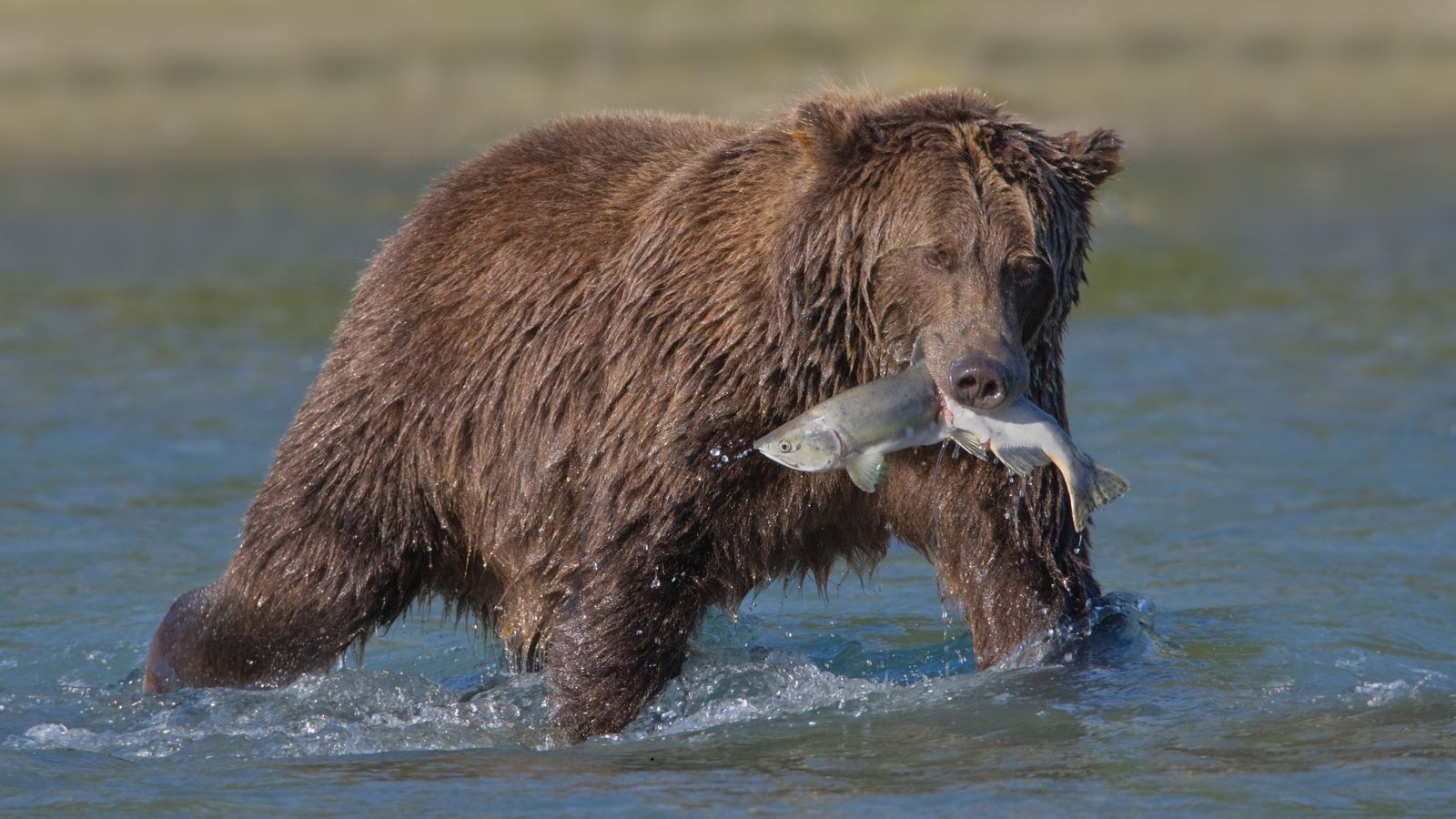
Bear viewing in Alaska works best where bears stay focused on fish, not people
At one salmon stream, a guide stopped the group before the boardwalk and checked every pocket. A granola bar wrapper came out, then a mint. That’s not overkill. It’s how good bear watching stays good year after year.
How salmon runs shape brown bear viewing behavior at observatories and river platforms
During peak runs, brown and black bears settle into a simple pattern: move, fish, eat, rest. That’s why anan creek bear viewing is so strong when salmon stack up below the falls and along the channel.
At places built for where to see bears in alaska, the structure matters as much as the fish. Platforms, timed entry, and a managed trail keep people predictable, which helps bears ignore them and stay on food instead of scanning for human cues.
Why do no-food rules protect both bear viewing tours and the long-term health of bear habitat
A no-food rule protects three things:
The difference shows up fast.
- Bear behavior — fish stays the reward
- Human safety — fewer food-conditioned approaches
- Habitat stability — less stress at heavily used sites
That applies whether someone booked an anan bear tour, an alaska bear viewing tour, or guided bear viewing alaska through a local operator such as Muddy Water Adventures. The best bear viewing in Alaska usually happens where rules are strict, because strict rules keep the site wild.
What most people get wrong about “safe distance” during bear watching
Distance alone isn’t safety. A calm bear at 30 yards eating salmon can be lower risk than a food-alert bear much farther off—especially near an anan bear observatory or the anan creek bears alaska corridor.
For anyone comparing Southeast Alaska bear viewing, Wrangell bear tour options, bear viewing Wrangell Alaska trips, Wrangell Alaska bear viewing access, Anan Creek tour from Wrangell logistics, anan wildlife observatory tour planning, anan creek wildlife observatory rules, alaska brown bear viewing tour timing, alaska black bear viewing chances, or an alaska bear tour for cruise passengers, the honest answer is simple: predictable people make predictable bears.
Why strict no-food protocols matter right now for bear viewing in Alaska
Why all the hard rules about food, wrappers, and even scented wipes? Because in Bear viewing in Alaska, one careless habit can teach a bear to connect people with calories, and that goes bad fast. The honest answer is simple: rising traffic at salmon streams has made clean habits non-negotiable.
Rising visitation is changing how people move through popular bear viewing areas
At places known for bear watching in Alaska, foot traffic now stacks up in tighter windows during peak salmon timing, especially where people research where to see bears in Alaska and all head for the same boardwalks, platforms, and trails. That pressure is why managed trips like an anan bear tour or a Wrangell bear tour matter more than they used to.
Small mistakes—snack wrappers, drink lids, scented wipes—can change bear behavior fast
Small stuff. Big consequence. A dropped energy-bar corner, a coffee lid, or citrus hand wipes can pull attention off salmon and onto people—once that pattern starts, both brown and black bears pay for it. Anyone booking an Alaska brown bear viewing tour or comparing options for Alaska black bear viewing should ask what the operator bans on the trail, not just what they promise to show.
- No food past the staging area
- Empty pockets of gum, mints, and wrappers
- Skip scented wipes and sweet drinks
Why managed access beats casual wildlife watching near crowded salmon streams
Near heavily used runs, casual wandering doesn’t work better—it works worse. Structured access at spots tied to anan creek bear viewing, the anan creek wildlife observatory, and the anan bear observatory keeps spacing predictable and reduces the kind of close, messy encounters that shut areas down.
Not complicated — just easy to overlook.
In practice, travelers looking for the best bear viewing in Alaska usually get a safer day from a guided bear viewing Alaska operator; one example is the Anan Wildlife Observatory tour offered by Muddy Water Adventures. Search terms like alaska bear viewing tour, bears viewing Wrangell Alaska, Alaska bear viewing, Southeast Alaska bear viewing, Anan Creek tour from Wrangell, Anan Creek bears Alaska, and Alaska bear tour for cruise passengers all point to the same truth: a well-run Anan Creek bear tour protects the viewing as much as the visitor.
Where bear viewing in Alaska is most controlled—and why that usually means a better trip
Strict food rules usually produce the calmest, safest bear viewing in Alaska.
- Managed sites win on consistency. Places built for bear watching in Alaska usually ban trail snacks, scented drinks, and loose gear because salmon runs already concentrate bears in tight corridors.
- Guided oversight cuts down mistakes. A good guided bear viewing alaska trip keeps people moving in small groups, spaces out viewing times, and stops the one bad decision that can change bear behavior for a whole season.
- Access method matters. Boat, bush plane, and permit-based entries tend to screen visitors harder than roadside pullouts. That’s not less wild—it works better.
National park and forest bear viewing sites with the strongest food-control rules
At top regulated sites, food stays off the trail — out of the viewing platform area—full stop. Travelers asking where to see bears in Alaska should look first at places with permit systems, ranger briefings, and fixed boardwalks, because those controls often lead to the best bear viewing in Alaska, not the most restrictive trip.
That includes anan creek bear viewing at the anan creek wildlife observatory and the anan bear observatory, where salmon, black bears, and brown bears all stack into one tight setting.
Brooks Falls, Pack Creek, and other bear viewing tours are built around ranger or guide oversight
At Brooks Falls and Pack Creek, people don’t just wander in. A solid Alaska bear viewing tour or Alaska brown bear viewing tour is built around timing, distance rules, and hard no-food enforcement; that’s also why Alaska black bear viewing sites can feel more predictable for photos.
For travelers comparing anan wildlife observatory tour options, anan creek bears alaska are often viewed on a structured schedule, and an anan bear tour or anan creek bear tour keeps that order intact.
Real results depend on getting this right.
Remote lodge, bush plane, and boat-access trips versus roadside bear watching
Remote access usually means fewer people — tighter rules. An anan creek tour from Wrangell, a Wrangell bear tour, or a Wrangell Alaska bear viewing trip tied to Southeast Alaska bear viewing works best when guides control food, pace, and trail spacing (one reason some cruise travelers book an Alaska bear tour for cruise passengers instead of gambling on roadside stops).
One regional operator, Muddy Water Adventures, is part of that boat-based model, and bear viewing wrangell alaska is strongest when the rules stay boring, firm, and enforced.
What independent travelers should expect before booking bear viewing tours in Alaska?
Start with the rules.
They feel strict because they are—and around salmon runs, that’s the whole point. For travelers planning bear watching in Alaska, the honest answer is that permits, trail controls, and no-food rules shape the day as much as the bears do.
The real logistics: permits, timing, weather, walking surfaces, and group splits
At places known for anan creek bear viewing, access is controlled, timing is tight, and an anan bear tour or anan wildlife observatory tour often means split groups on the trail. A solid guided bear viewing Alaska plan should spell out walking surfaces, boat time, and what happens if the weather shifts fast.
What to wear and carry when food is restricted near brown bear viewing sites
Pack like this:
Simple idea. Harder to get right than it sounds.
- Waterproof layers and quiet rain gear
- Good tread for gravel, planks, and wet boardwalks
- Camera only in easy-access carry setup
Food usually stays off the trail at the Anan Creek Wildlife Observatory and the Anan Bear Observatory. That matters on any Alaska brown bear viewing tour, especially where both brown and black bears feed close; even travelers focused on Alaska black bear viewing need to plan snacks before boarding, not in the viewing zone.
Why families, photographers, and first-time visitors need different tour setups
Not every Alaska bear viewing tour fits every traveler. Families often need shorter walks, photographers want rail space and steady timing, and first-timers asking where to see bears in Alaska usually do better with managed sites like Anan Creek Bears, Alaska. For travelers comparing the best bear viewing in Alaska, an Anan Creek tour from Wrangell, a Wrangell bear tour, Wrangell Alaska bear viewing, or bear viewing in Wrangell Alaska can be a practical pick (Muddy Water Adventures is one operator in that space). That’s also why Southeast Alaska bear viewing appeals to planners looking for an Alaska bear tour for cruise passengers or a tightly run Anan Creek bear tour.
What time of year gives the best bear viewing in Alaska near salmon runs
Over coffee, here’s the plain answer: timing matters more than brochure language. Bear viewing in Alaska is best when food sources tighten bear movement into a smaller corridor, and that usually means a shift from spring greens to summer fish. People asking where to see bears in Alaska are really asking when bears stop wandering and start feeding in predictable places.
Early-season grass feeding versus peak salmon season viewing
In early summer, bears spread out. At that stage, Alaska black bear viewing can still be good along beach edges and sedge flats, but concentrated watching is less dependable than a managed Alaska bear viewing tour. That same pattern shapes guided bear viewing alaska trips, whether someone is comparing best bear viewing in alaska spots, asking about a wrangell bear tour, or weighing an alaska brown bear viewing tour against interior grizzly country near Brooks Falls, Katmai National Park, Kodiak Island, Anchorage, Juneau, Seward, Fairbanks, Soldotna, Hyder, or even Kaktovik near the North Pole route where polar bear access has changed.
July and August for concentrated brown bear activity, photos, and longer watching windows
By July and August, salmon runs pull brown bears into tighter feeding lanes. That’s when bear watching in Alaska gets better for photos, longer watching windows, and cleaner behavior reads. For travelers comparing an anan bear tour, an anan wildlife observatory tour, an alaska bear tour for cruise passengers, or an anan creek tour from Wrangell, mid-summer usually gives the strongest odds.
How bear population patterns differ between coastal rainforest sites, island habitats, and interior river systems
Coastal rainforest sites tend to stack food and bears closer together. Island habitat can hold solid numbers, but movement shifts fast. Interior river systems spread bears over more ground. That’s why the Anan Creek Bear Viewing, the Anan Creek Wildlife Observatory, the Anan Bear Observatory, Anan Creek Bears, Alaska, and an Anan Creek Bear Tour draw so much attention for Southeast Alaska Bear Viewing, Wrangell, Alaska Bear Viewing, and Bear Viewing Wrangell, Alaska. In practice, operators like Muddy Water Adventures know that fish timing—not hype—decides the day.
Experience makes this obvious. Theory doesn’t.
The best bear viewing in Alaska usually comes from rules that feel strict for a reason
Across managed salmon-run sites, a single dropped snack can change bear behavior for an entire season—that’s the counterintuitive part people miss. Bear viewing in Alaska works best when people leave almost no trace, which is why the U.S. Forest Service and seasoned guides keep food controls tight near platforms and trails.
Why guides enforce no-food policies even when bears seem calm
Calm doesn’t mean casual.
At places known for anan creek bear viewing and other salmon streams, black and brown bears are focused on fish, scent, and routine—introduce human food, and that routine starts to shift. That’s bad for bear watching in Alaska, bad for people, and bad for the bears.
An Alaska brown bear viewing tour or Alaska black bear viewing outing should feel controlled, not loose. At the Anan Creek Wildlife Observatory, the Anan Bear Observatory, and the Anan Creek Wildlife Observatory area, tied to Anan Creek bears in Alaska, no-food rules protect what visitors came to see.
How good operators set expectations on transport, observation time, and behavior before departure
Good guides are plain about three things:
- Transport: a Wrangell bear tour or anan creek tour from Wrangell usually includes boat timing, trail rules, and split groups.
- Viewing time: a proper anan bear tour, anan creek bear tour, or anan wildlife observatory tour explains how long people stay on the platform.
- Behavior: no food, no wandering, no freelance photos from the trail.
That standard matters on a guided bear viewing Alaska trip, an Alaska bear viewing tour, or an Alaska bear tour for cruise passengers where timing is tight.
Worth pausing on that for a second.
What should a responsible bear viewing experience leave unchanged after people go home?
The honest measure of the best bear viewing in Alaska isn’t just closeness. It’s whether the site still looks, smells, and functions the same after the last boat leaves. People asking where to see bears in Alaska should look for operators who say that out loud—Muddy Water Adventures is one example—and who treat Wrangell, Alaska bear viewing, Southeast Alaska bear viewing, and bear viewing in Wrangell, Alaska as wildlife watching, not wildlife shaping.
Frequently Asked Questions
Where is the best place in Alaska to see bears?
The honest answer is that there isn’t one single best spot for bear viewing in Alaska. It depends on what kind of trip a traveler wants: famous salmon-run platforms like Brooks Falls in Katmai National Park, coastal observatories in rainforest country, or smaller guided boat-access sites that feel less crowded. For most independent travelers, the best place is the one that matches their timing, budget, and tolerance for weather, boats, or floatplane logistics.
What is the best month to see bears in Alaska?
July usually gives travelers the strongest odds for bear viewing in Alaska because salmon are running hard in a lot of places — bears are focused on feeding. August can be just as good, sometimes better, for brown bear and black bear watching at established viewing sites. June can work well too, especially for spring feeding, but it tends to be less consistent than peak salmon weeks.
What is a brown bear’s favorite food?
If a brown bear had to pick a seasonal favorite, salmon would be near the top. In practice, bears eat whatever gives them the most calories for the least effort—fish, sedges, berries, clams, carrion, and sometimes moose calves. That’s why the best bear viewing in Alaska usually happens where food is concentrated and predictable.
What’s the difference between brown bears and grizzly bears in Alaska?
Same species, different lifestyle.
Brown bear usually refers to coastal bears with richer food sources and bigger body size, while grizzly is often used for inland bears living farther from the coast. Travelers shopping for bear viewing tours should pay more attention to habitat and viewing setup than the label, because that affects the trip far more than the name does.
Here’s what that actually means in practice.
Is bear viewing in Alaska safe?
Yes—if the trip is run properly and guests follow directions the first time. Managed platforms, observatories, and guided tours are built around distance, group control, and clear rules about food, movement, and noise. The risky part isn’t the bear; it’s the person who thinks rules are optional.
Do you need a guided tour for bear viewing in Alaska?
Not always, but guided bear viewing tours are the better call for most visitors. A good guide handles timing, permits, transport, bear behavior, — the small judgment calls that matter once you’re in real wildlife country. That becomes even more important at remote sites where boats, bush planes, tides, or trail rules can make or break the day.
How far in advance should travelers book bear viewing tours?
For peak summer dates, booking three to six months ahead is smart, and prime days can fill even earlier at well-known places like Katmai, Kodiak, or Brooks-area trips. Smaller operations with limited seats don’t leave much room for last-minute planning. If bear viewing in Alaska is the main reason for the trip, it shouldn’t be the thing booked last.
Are bear viewing tours better by boat or by plane?
Depends on the trip. Plane-based tours can reach remote national park country fast, including places near Brooks Falls, but weather delays and higher prices are part of the deal; boat-access bear viewing often gives steadier logistics, lower cost, and a calmer pace, though it narrows the range of sites you can reach. This is one of those choices where style matters as much as destination.
Can families with kids do bear viewing in Alaska?
Yes, but parents need to be realistic. Some bear viewing tours are fine for school-age kids who can stay quiet, follow directions, and handle a walk or boat ride; others aren’t a good fit for toddlers, especially at close-range observatories where sudden sounds can create problems. Ask about trail distance, minimum age guidance, bathroom access, and how long people are expected to stay still (that part gets overlooked a lot).
Sounds minor. It isn’t.
The trips people remember most usually aren’t the loosest ones. They’re the ones where the rules are clear, the guide doesn’t bend them, and the bears keep acting like bears—heads down in the creek, keyed in on fish, not human smells or dropped snacks. That’s the whole point. Bear viewing in Alaska works best at salmon-run sites where food control is taken seriously, access is managed, and visitors understand that even small mistakes can shift animal behavior fast.
And that standard matters more now, not less, as visitation climbs and more first-time travelers head into tightly used viewing areas. A no-food rule isn’t there to spoil the day (or make packing harder). It protects the watcher itself. It also protects the next group, the next season, and the bears that return to the same streams year after year.
Before booking, travelers should ask three direct questions: where food is stored, who enforces trail and platform rules, and how much actual viewing time is typical once transport is done. If the answers are vague, keep looking. Choose the trip that treats discipline as part of the experience, then pack for it properly and follow every rule once boots hit the trail.