If you’re chasing that first real look at wild bears, start here. The highest-odds day I’ve had—by far—happened at Anan Creek Bear Observatory outside Wrangell. Real boats. Local guides who actually know the tides. A trail that feels like a walk, not a stunt. If you’ve been Googling bear viewing in Alaska, this is the one that finally makes the dream feel doable.
Key Takeaways
Short version—this is Wrangell’s backyard, and Anan Creek is famous for its pink salmon run that stacks up both black and brown bears. Boats get you there. A simple half‑mile trail gets you to the viewing decks and a photo blind. And the vibe? Friendly, calm, prepared.
- You’ll get a clear, realistic picture of what the day at Anan actually feels like.
- Timing and access matter more than luck—mid‑summer is prime.
- Expect a comfortable boat ride, a short walk, then steady viewing time.
- Permits are limited in peak season, so book early.
- Go with local experts using high‑quality vessels and a friendly, safety‑first crew.
If you’re comparing options for Alaska bear viewing, Anan is the sweet spot for easy logistics plus serious wildlife.
Why bear viewing in Alaska belongs on your trip bucket list
What makes seeing brown bears so unforgettable
There’s this hush that falls over a group when a bear steps into the creek. It’s not fear—it’s respect. You hear water on rock, the snap of a salmon tail, and ravens heckling from the trees. And you think, okay… this is why I came. If you’ve pictured classic bear watching Alaska moments—fish flashing, bears posting up on current seams—Anan serves those up, close enough to feel the cool air off the falls.
What else might you spot
Besides black and brown bears, expect bald eagles, seals nosing into the mouth of the creek, and maybe whales on the boat ride. The forest smells like rain and spruce. It’s not staged. It’s just… a good day outside.
Bear Viewing in Alaska: how to dramatically increase your odds
Why you’re unlikely to stumble across wildlife on short trips
Random luck is overrated. Bears move with food—tides and salmon runs. If you’ve only got a day or two, trying to “wing it” is how you miss everything.
How professional guides put you where animals feed
Local captains read weather and tide windows and slot you into the right timing at the creek. That’s the whole game: get there on a good tide, move quietly, and let the scene happen. This is why curated bear tours Alaska shine—less guesswork, more bears.
What a typical day looks like
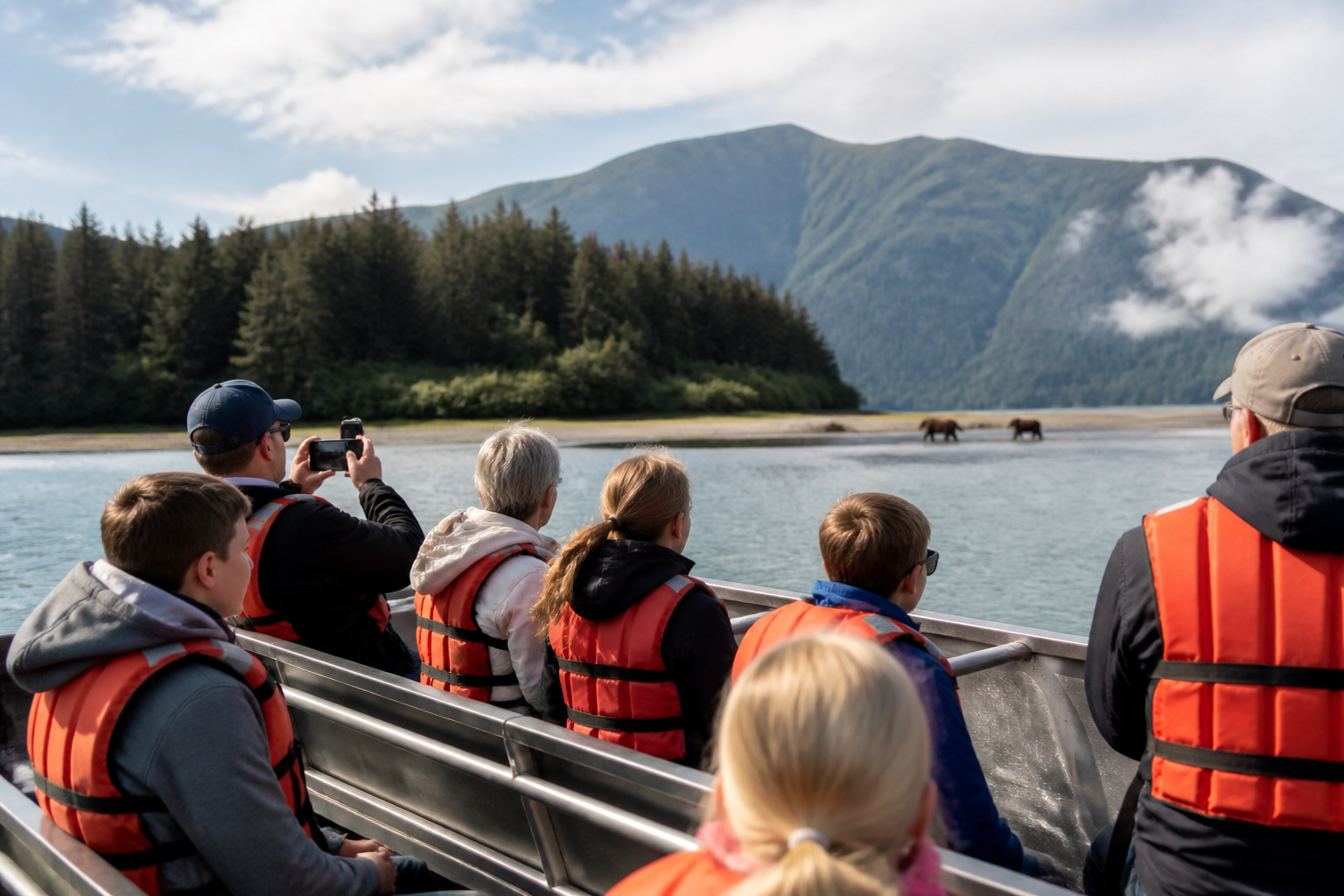
Here’s the flow: meet at the dock in Wrangell, climb aboard a covered, comfortable boat, ride about an hour through protected channels, hop off at the beach, then walk a gentle half‑mile Forest Service trail to the observatory. Three-ish hours of watching—sometimes quietly, sometimes non‑stop action—then back to town the same way.
Personal note: First time I went, I packed like a rookie and forgot extra socks. Silly, I know. Halfway back, a squall rolled through, and the captain passed around dry towels like it was some neighborhood potluck. We laughed, steam rose off jackets, and then—like a movie—a humpback surfaced off the bow. I just stared. Forgot about my socks.
Best time of year to see bears, salmon, and coastal brown bears
The practical season runs from late spring into early fall
Think late May through early September, with July–August as the hot spot. That’s when salmon stack up, and bears settle into predictable feeding patterns.
Peak salmon-run timing and what it changes about behavior
When fish pulse through the creek, bears key in on the same lanes and boulders—so your odds spike. Photographers love this window for repeatable behavior.
Weather realities that can change the plan
It’s Southeast Alaska—rain happens. Good operators carry warm layers, keep the cabins comfortable, and read the forecast so your time at Anan stays steady. If you’re piecing together Alaska bear tours on a tight schedule, add a buffer day if you can.
Where you’ll see the most bears in Alaska’s national parks
There are famous park platforms and sprawling coastlines out there, sure—but this guide centers on Anan Creek because it concentrates bears in a small, respectful viewing footprint. Fewer moving parts. More time actually watching. If you want an easy‑to‑love Alaska bear tour that still feels wild, Anan hits the mark.
Lake Clark National Park & Preserve
Great place, different logistics. For this trip, keep your eyes on Wrangell and the Anan permit window. That’s the move.
Katmai National Park — Brooks Falls
Iconic and busy. If you’re short on time, Anan’s boat‑and‑trail rhythm feels simpler and closer to the action.
Pack Creek & Admiralty Island
Also strong, also permit‑limited. Anan’s viewing decks and photo blind make it especially friendly for first‑timers and families who like a clear, supported plan.
Bear viewing near Wrangell: what to know before you plan
How Southeast trips differ from other regions
Islands, channels, and tight forest. You’ll travel by boat through protected water—calm most days—then follow a compacted trail with bridges to the observatory. No acrobatics required.
Choosing the simple, boat-first day at Anan
If you’ve got a single day, boat access keeps things smooth: easy departure, scenic ride, and a clean handoff to the trail system. For those hunting bear viewing tours Alaska, this format delivers maximum time where it counts—on the deck watching bears work the creek.
How Muddy Water Adventures helps match dates and access
Local expertise is the secret sauce. These folks live here. They run high‑quality vessels, keep cabins warm and dry, and the crew is—honestly—just kind and reliable. Peak season (typically July 5–Aug 25) requires a limited daily permit for the observatory, so booking through a trusted operator protects your spot. Have a large group? Ask about discounts—they’ll help you structure the day so everyone gets time at the rail.
Boat-based bear viewing tours: choosing the right style for you
Comfortable boats that fit Alaska days
Covered cabins. Heat when you want it. Smooth through narrow channels. That’s what you want on a long, bright summer day, getting to and from Anan.
Reading tides and staging the perfect arrival
Skippers, up your arrival with salmon movement and daylight so you step onto the trail when activity’s likely. That timing edge is why curated trips out of Wrangell are so consistently good.
What skilled captains and guides do differently
They brief safety without drama, manage trail etiquette, and pace the viewing decks so everyone rotates through prime angles. It’s the friendly confidence—calm, efficient—that sticks with you.
What you’ll do on the ground: habitats, behavior, and photo moments
Shorelines, riverbanks, and tidal funnels
At Anan, the creek becomes a bear highway. Watch for entry points into current seams and the calm step of a bear as it sets up for a strike. It’s patient and, weirdly, peaceful.
Salmon-driven behavior you can watch safely
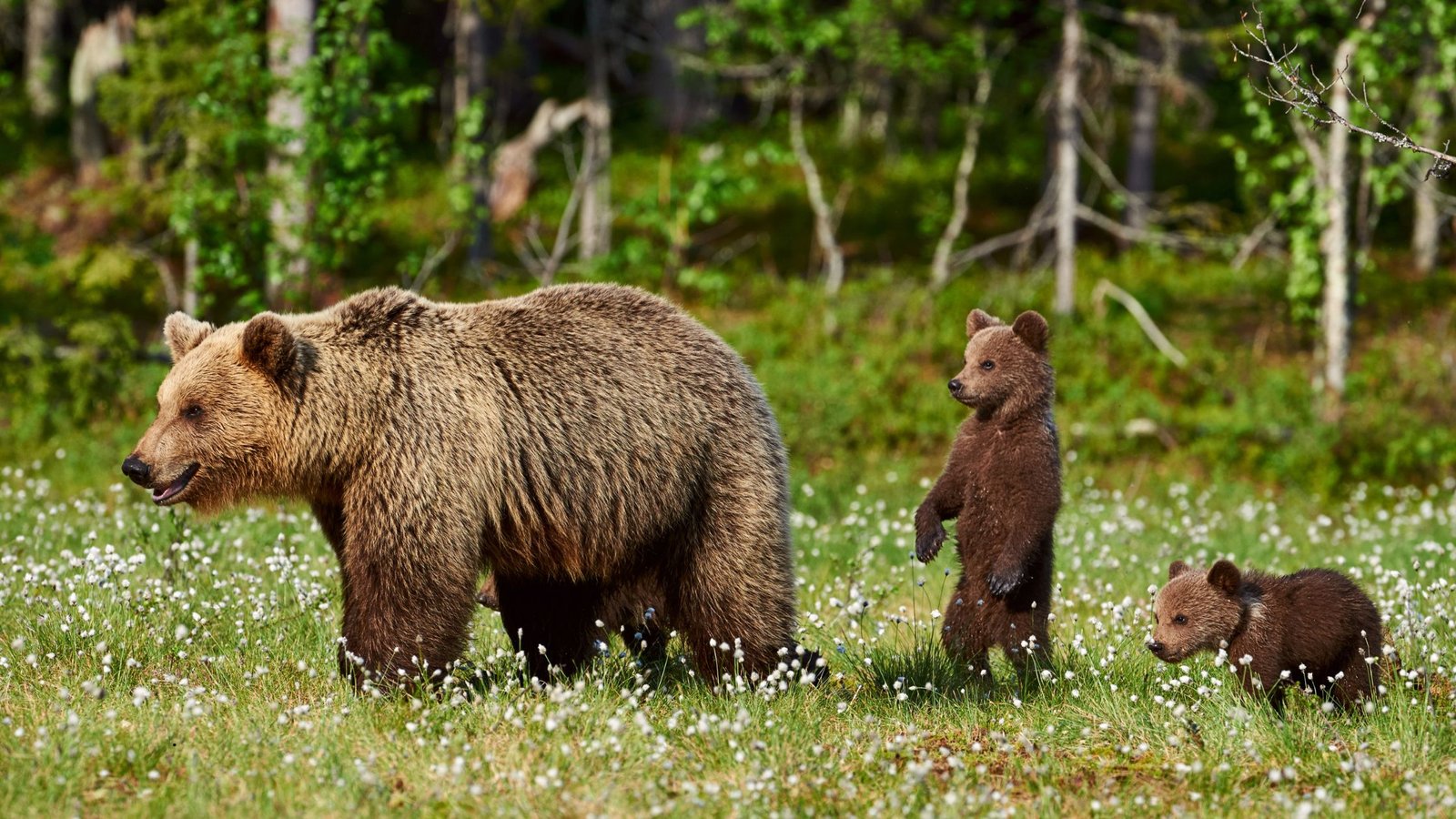
From the covered viewing area or the photo blind (ask your guide), you’ll see repeatable feeding and teaching moments—cubs learning, elders taking the best lanes. It’s the classic rhythm people imagine when they picture Alaska bear viewing tours.
Photo tips that keep you in the moment
Stabilize your camera, shoot in short bursts, and—seriously—look up between sequences. The scene is better than any screen.
How much bear viewing trips cost and how long you should plan for
Typical day length for Anan
Plan for ~5–6 hours dock to dock, including the boat ride, trail, and time at the viewing decks. Add a little buffer for weather and tide windows.
Permits and group planning
During peak season, permits are limited each day to protect the site and the experience. Larger parties are often split into smaller trail groups to respect capacity at the observatory. Coordinating through a single operator helps keep everyone on track—and yes, large‑group discounts are available when you plan ahead.
What drives value
Local knowledge, dependable vessels, and a crew that treats your day like it matters. If you’re weighing options for bear experiences in Alaska, prioritize that combo.
How to prepare for a safe, respectful bear viewing experience
Distance rules and trail etiquette
Follow your guide. Keep voices low. Give space—especially to sows with cubs. The goal is simple: be present, be calm, be safe.
Clothing and packing checklist
Waterproof shell, warm mid‑layer, comfortable shoes. Bring a hat, light gloves, and a small daypack for snacks to enjoy on the boat (food isn’t allowed at the observatory).
Camera tips and why zoom matters
A good zoom keeps distance while filling the frame. Stabilize when you can. And don’t be shy about stepping back to just watch.
Conclusion
Match season to salmon. Book the permit window. Ride out with Muddy Water Adventures, which knows the water and runs solid boats. That’s how you turn a “maybe” into a memory. If you’re sorting through options for Alaska bear viewing, Anan Creek is where the plan clicks and the day just… works.
FAQ
What makes seeing bears at Anan Creek so unforgettable?
You’re close enough to feel the cool spray off the falls, yet safely tucked on decks designed for viewing. The setting is intimate, wild, and easy to love.
Why should you add this to your trip bucket list?
It’s a clean, low‑stress way to see coastal bears in their element—scenic boat ride, short trail, long watch. The whole day feels like Alaska, not logistics.
What else might you spot besides bears?
Eagles, seals, maybe whales on the ride. Forest life everywhere. Bring a camera, but also… let yourself just be there.
How do guides increase your odds of seeing bears?
Local timing and tide knowledge put you in the right place at the right moment. That’s the difference.
What does a typical day look like?
Boat from Wrangell, trail to observatory, a few hours of steady viewing, boat home. Simple, good.
When is the best time of year to go?
Late spring to early fall, with a strong peak in mid‑summer when salmon are thick.
Are there rules about food or age?
No food on the trail or at the observatory. Water is fine. Families do great here; talk to your operator about the best plan for younger kids.
How do I book a trip?
Reserve early during permit season and ask about large‑group planning. If you’re set on going during peak weeks, lock dates first, then build the rest of your trip around that anchor day.